Porsche Panamera 971 – The Story
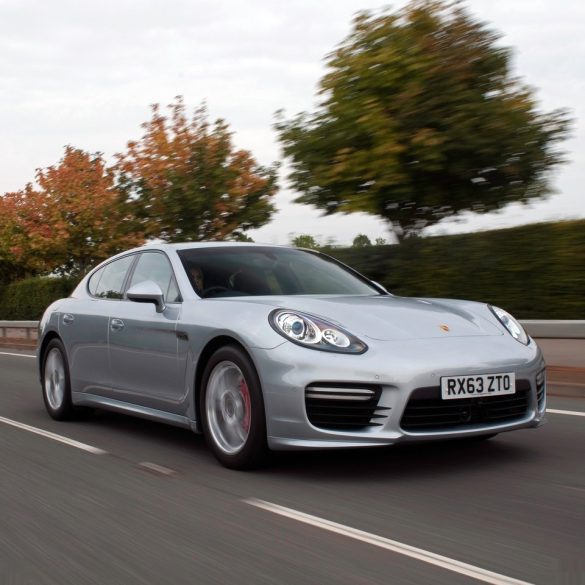
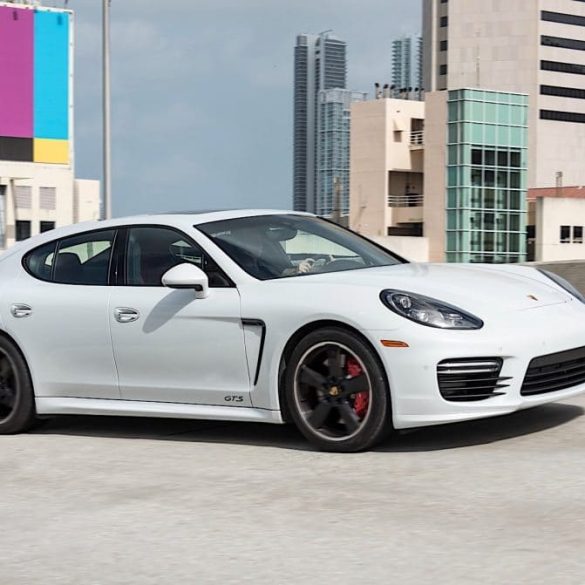
The Panamera received a fairly substantial mid-cycle update for 2014 model year. Another refresh came for the 2021 model year.


971 Story / 971.1 Timeline / 971.1 Model Guides / 971.2 Timeline / 971.2 Model Guides / Misc Data / FAQs / News
Type: 971 (971.1 & 971.2)
Generation: Second Generation (971), Chassis G2
Production: 2016–2024
Designer: Peter Varga
Body style: 5-door fastback/liftback sedan 5-door shooting brake
Platform: Volkswagen Group MSB
Petrol Engines: 3.0 L EA839T turbo V6 TFSI,
2.9 L EA839TT twin-turbo V6 TFSI,
4.0 L EA825TT twin-turbo V8 TFSI.
Diesel Engines: 4.0 L EA898TTD twin-turbo V8 TDI
Plug-in Hybrid Engines: 2.9 L EA839TT twin-turbo V6 TFSI + Electric motor, 4.0 L EA825TT twin-turbo V8 TFSI + Electric motor
Transmission: 8-speed PDK dual clutch
Wheelbase: 2,950 mm (116.1 in)
Wheelbase (LWB): 3,100 mm (122.0 in)
Length: 5,049 mm (198.8 in)
Length (LWB): 5,199 mm (204.7 in)
Width: 1,937 mm (76.3 in)
Height: 1,423 mm (56.0 in)
Height (LWB): 1,432 mm (56.4 in) (LWB)
Curb weight: 1,815–2,310 kg (4,001–5,093 lb)
Predecessor: Porsche Panamera (970)
Successor: Porsche Panamera (976)
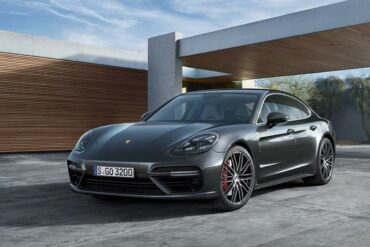
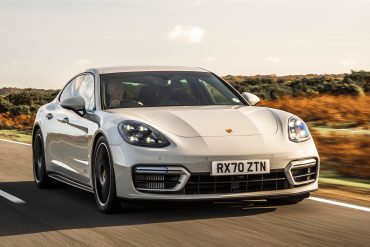
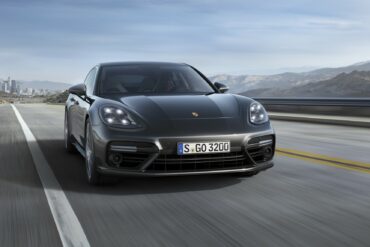
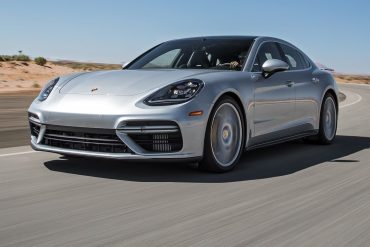
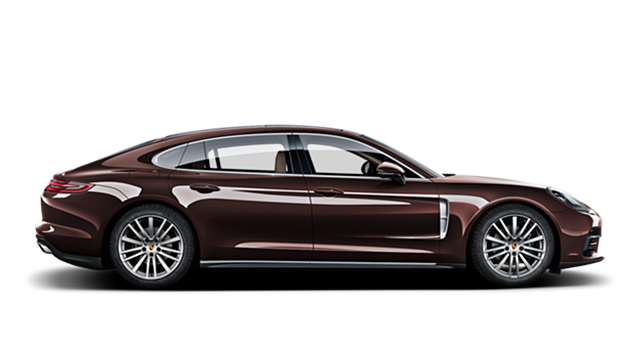
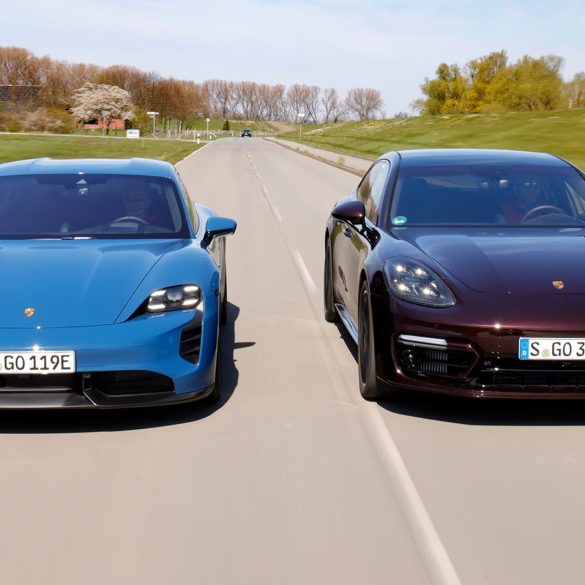
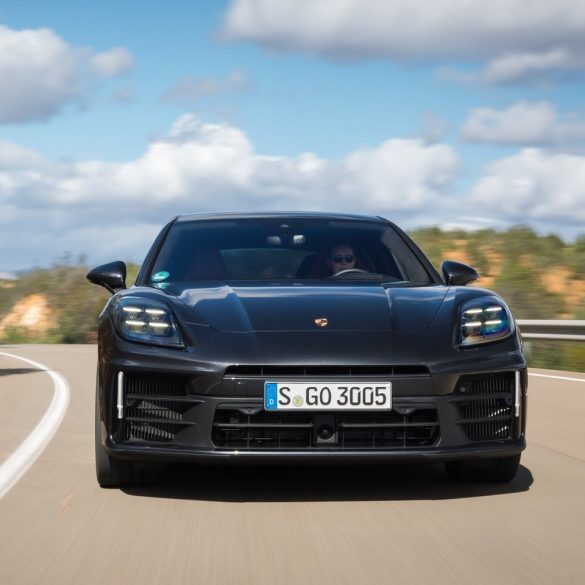
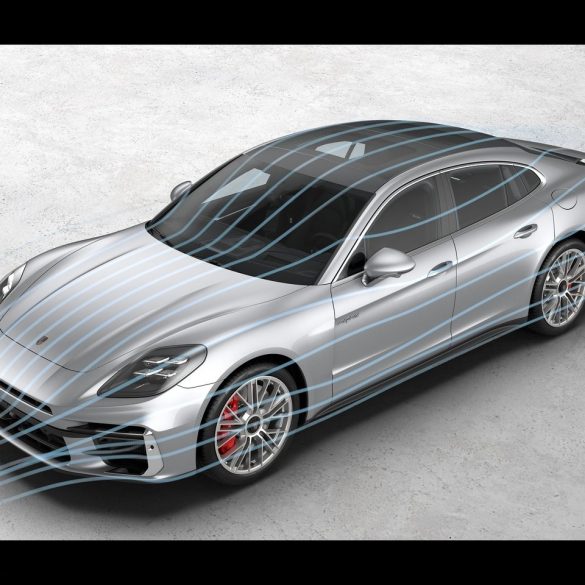
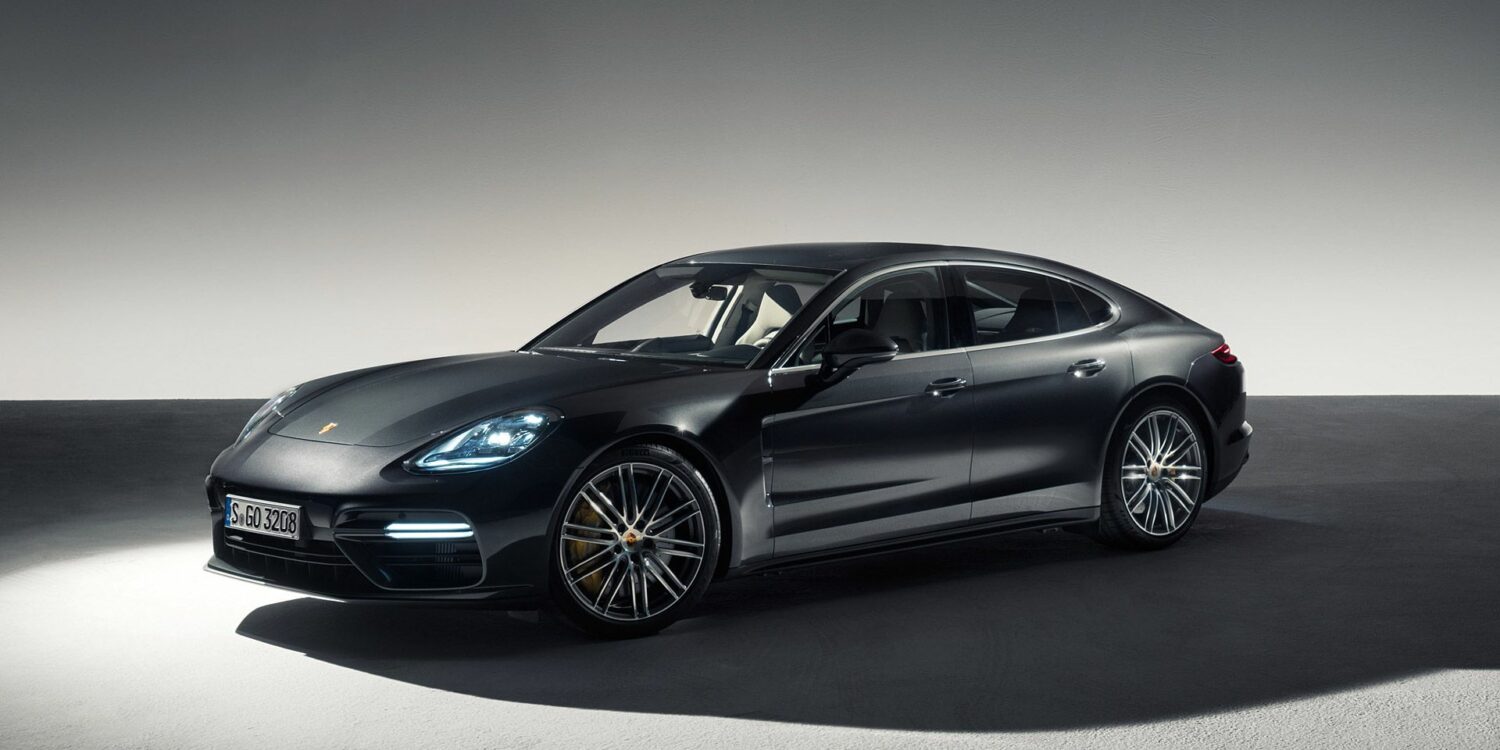
Porsche launched the second generation Panamera for the 2017 model year. Overall, it was a wider, lower and sleeker looking car with a lot of technical updates to boot. Gone was the awkward hunchbacked appearance and in was a sportier and more elegant looking body to complement the already strong underlying platform. Complementing the fresh exterior was a completely reimagined interior, replete with touch-capacitive surfaces and massive display screens.
The development of the second Panamera generation (G2) involved multiple streams: in addition to the Gran Turismo with a standard and extended wheelbase, a third variant was developed on the same platform: the Sport Turismo.
Powertrains were all new for the second generation as well; the base Panamera and Panamera 4 getting a turbocharged 3.0-liter V-6 with 325 hp and 332 lb-ft, while the Panamera 4S and S got an all-new turbocharged 2.9-liter V-6 with 434 hp and 406 lb-ft. The 4S also came with an E-Hybrid variant, that added an electric motor and produced a strong 552 hp and 553 lb-ft.
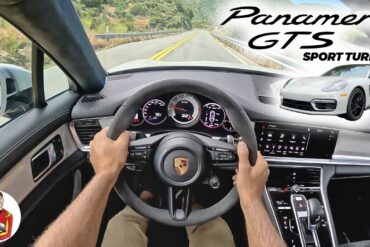
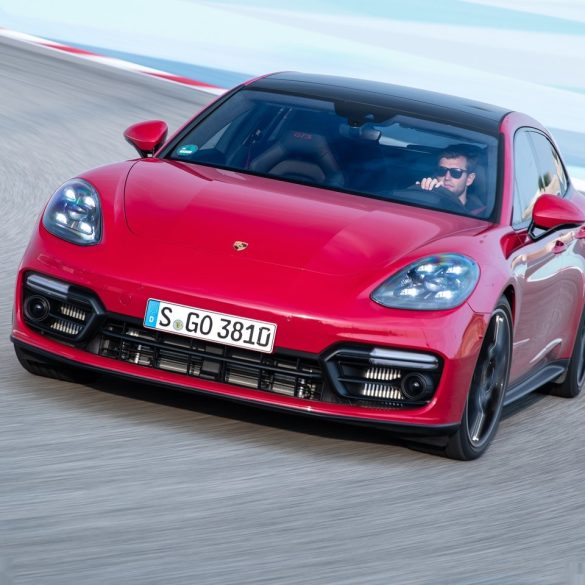
The second generation GTS had a 4.0-liter, twin-turbo V-8 packed a 454-hp and 457-lb-ft, later updated to 473 hp with the 2021 refresh. The Panamera Turbo's 4.0-liter, twin-turbo V-8 had 542 hp and 568 lb-ft, while the batshit crazy Turbo S E-Hybrid was the new top model with 680 hp and 627 lb-ft. As expected, performance numbers improved across the board and thanks to chassis systems like the three-chamber air suspension, rear-axle steering and the PDCC Sport electromechanical roll stabilization systems, the Panamera cemented its rightful place as the top performance four door sedan in the market.
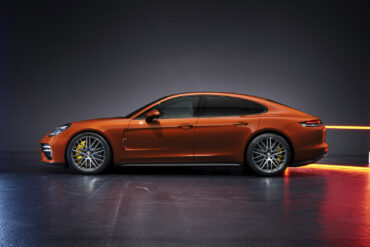
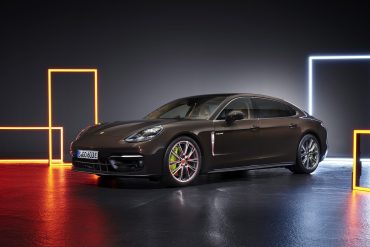
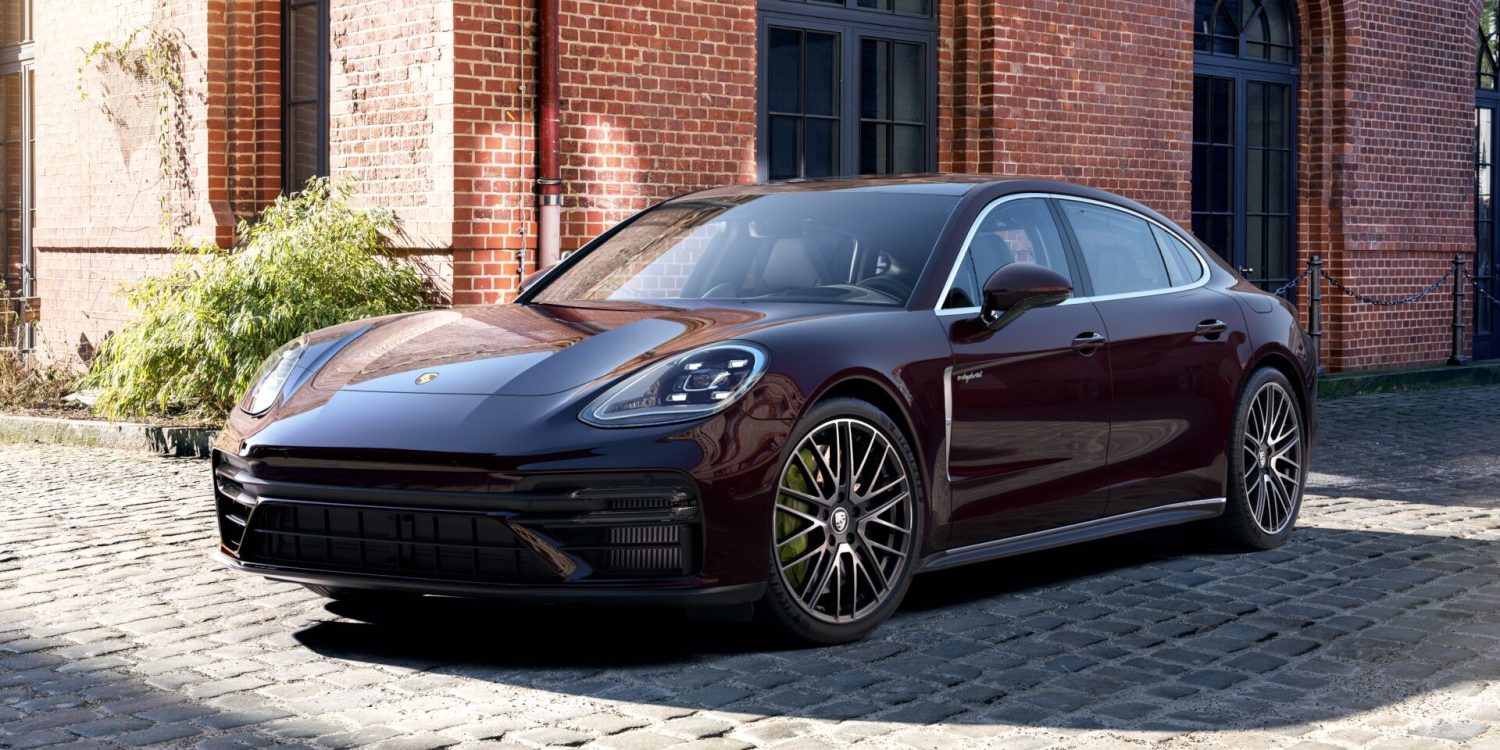
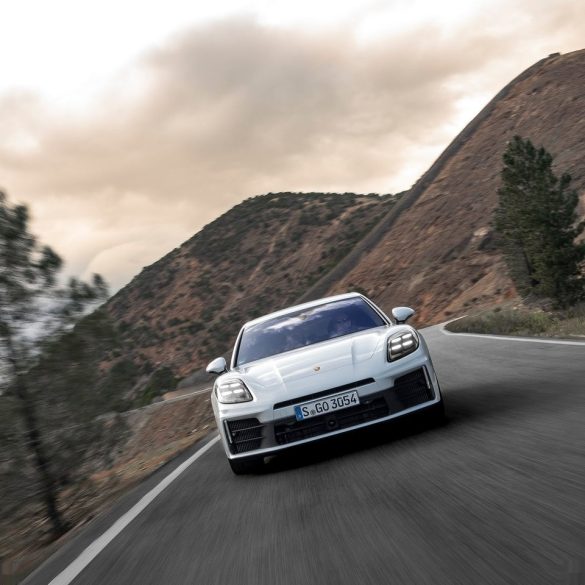
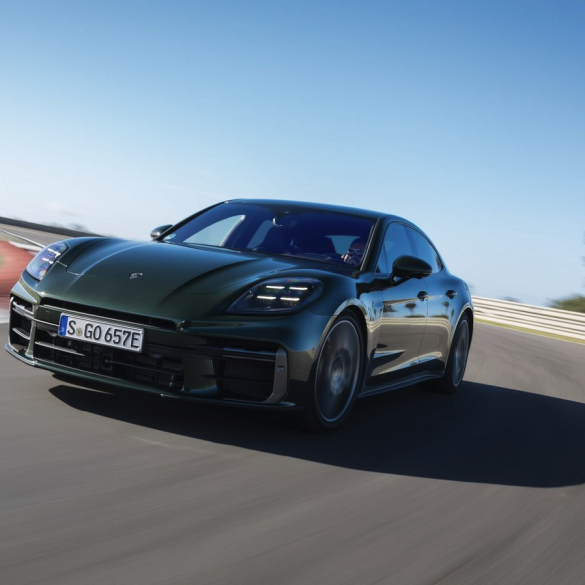
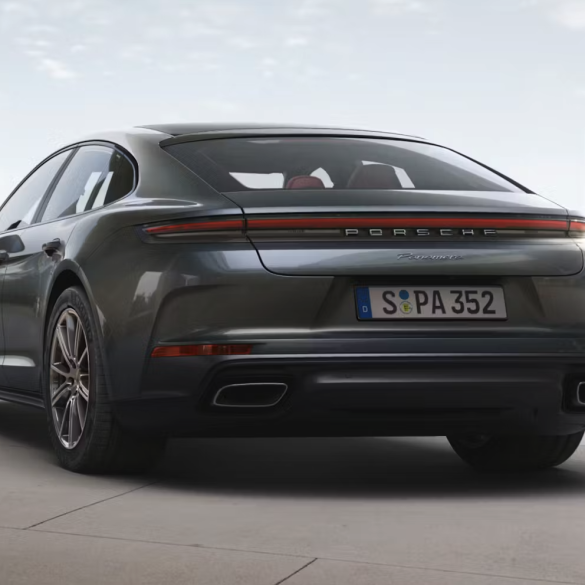
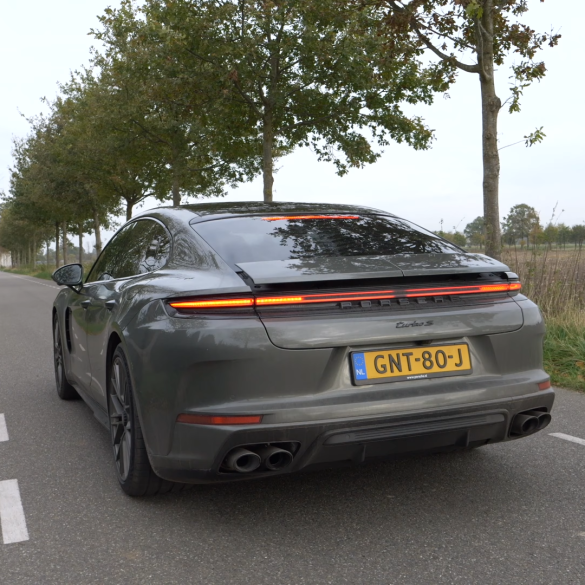
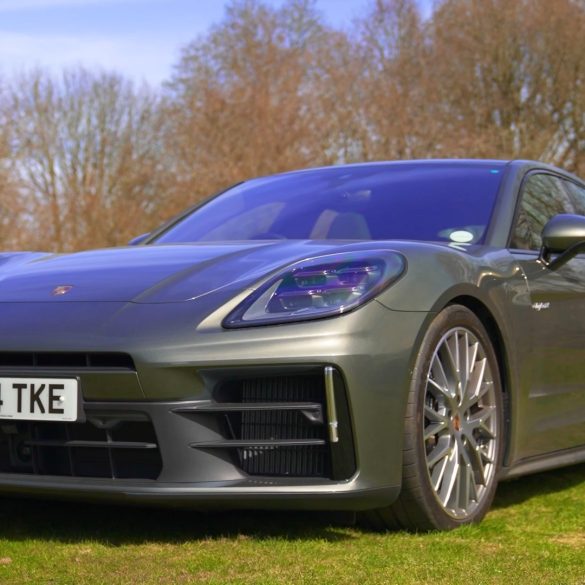
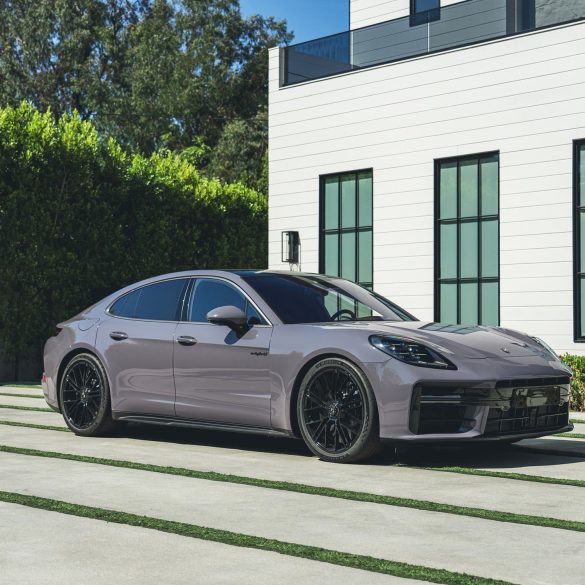
In 2021, the Panamera got another refresh (still considered second generation Panamera). The range got a redesigned front fascia, with a different bumper and lower apron. In the back, the revamped light strip ran seamlessly over the trunk lid, with an adapted contour and new LED taillights were installed.
Porsche introduced a non-hybrid Turbo S variant, with the Turbo's 4.0-liter, twin-turbo V-8 but now up to 621 hp and 605 lb-ft. As before, every single Panamera variant comes with a PDK dual-clutch transmission, now boosted from seven to eight speeds. With this update almost all models were now made available in the Grand Turismo, long-wheelbase Executive and Sport Turismo body styles.
The second generation Panamera was revealed on 28 June 2016 at a special event in Berlin, Germany. It was codenamed 971 and was longer and wider and way better looking than the first generation Panamera. The interior was redesigned, the was way more technology across the board. A big update.
The Porsche Panamera (971) marked a decisive turning point for Porsche’s four-door flagship when it debuted in 2016 for the 2017 model year. While the first-generation Panamera proved Porsche could build a luxury sedan with genuine performance credentials, the second generation refined the concept dramatically. Built on the new MSB (Modular Standard Platform) architecture—shared with the Bentley Continental GT—the 971 became lighter, more rigid, and more dynamically accomplished, while also adopting a cleaner, more cohesive design language inspired by the 911.
More importantly, the 971 generation fully embraced Porsche’s dual-personality ethos. It offered true long-distance luxury, cutting-edge infotainment, and advanced driver assistance systems, while also delivering handling, steering feel, and powertrain variety that rivaled dedicated sports cars. With turbocharged V6 and V8 engines, multiple plug-in hybrids, and the introduction of the sleek Sport Turismo body style, the second-generation Panamera established itself as one of the most versatile high-performance luxury cars of its era.
The second-generation Panamera transformed the model from an ambitious experiment into a fully realized Porsche flagship. It successfully blended luxury, performance, practicality, and cutting-edge technology, while also laying the groundwork for Porsche’s transition toward electrified performance. For enthusiasts and buyers alike, the 971 stands as the generation where the Panamera truly came into its own.
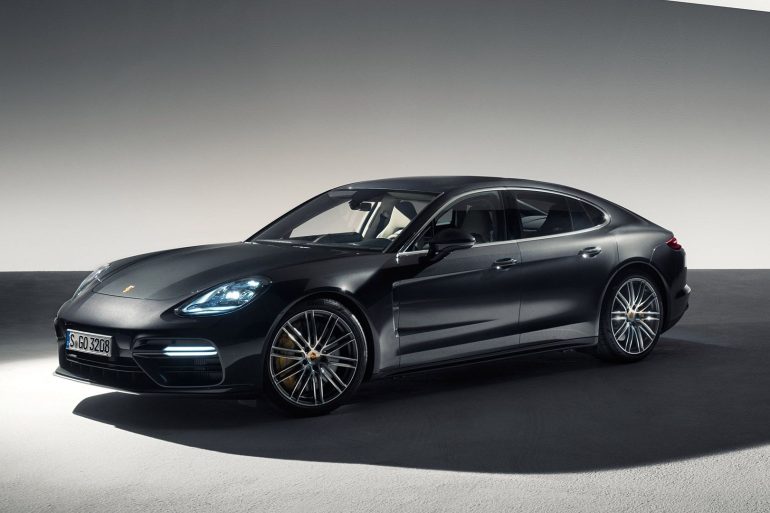
Porsche unveiled the all-new Panamera in mid-2016, with sales beginning for the 2017 model year. The launch lineup focused on performance and technology:
Panamera 4S – Powered by a 2.9-liter twin-turbo V6, replacing the naturally aspirated V8 of the previous generation, delivering improved efficiency without sacrificing performance.
Panamera Turbo – Featuring a 4.0-liter twin-turbo V8, this model reasserted the Panamera’s position as a legitimate luxury super-sedan.
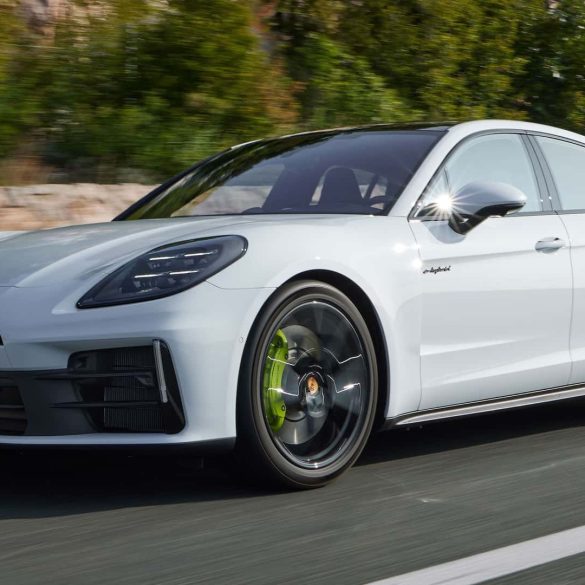
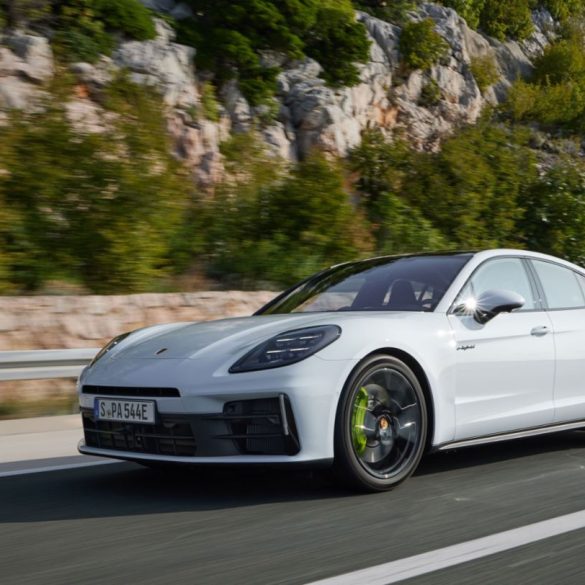
Panamera 4 E-Hybrid – Porsche’s first plug-in hybrid Panamera of the generation, combining electric driving capability with strong V6 performance.
This early phase set the tone for the 971: fewer engines overall, but more advanced, more efficient, and more powerful than before.
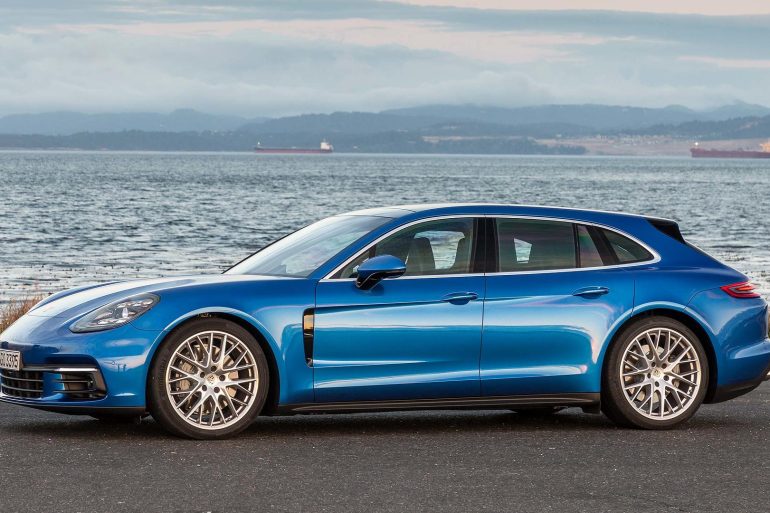
In 2018, Porsche expanded the Panamera lineup significantly:
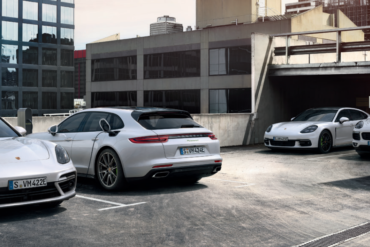
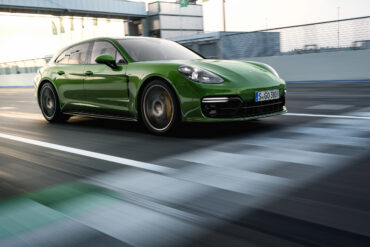
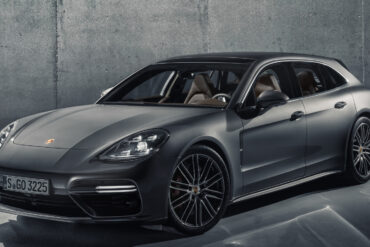
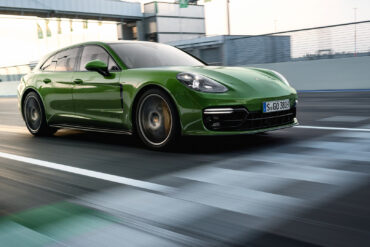
Panamera Sport Turismo – A shooting-brake–style body that added practicality and visual balance while retaining Porsche performance.
Panamera GTS – Positioned between the 4S and Turbo, the GTS featured a detuned version of the V8, sport-focused chassis tuning, and distinctive styling details.
Expanded hybrid offerings, including higher-output E-Hybrid variants aimed at buyers wanting performance with reduced emissions and tax advantages in certain markets.
The introduction of the Sport Turismo was especially important, as it broadened the Panamera’s appeal to buyers cross-shopping luxury wagons and high-performance SUVs.
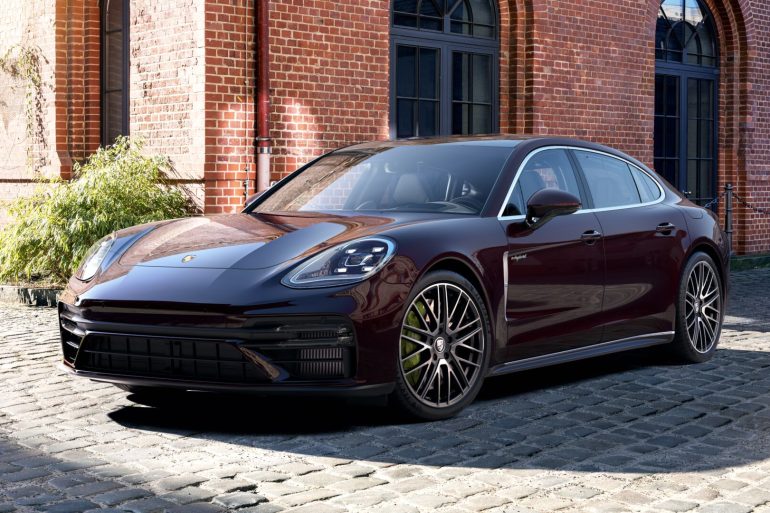
By 2019, Porsche had clearly leaned into electrification and performance hybrids:
Panamera Turbo S E-Hybrid – The most powerful Panamera ever produced at the time, blending V8 performance with electric torque for supercar-level acceleration.
Continuous refinement of chassis systems, including rear-axle steering, adaptive air suspension, and Porsche Dynamic Chassis Control (PDCC), which became increasingly central to the Panamera’s driving character.
During this period, the Panamera established itself as one of the most technically sophisticated sedans on the market.
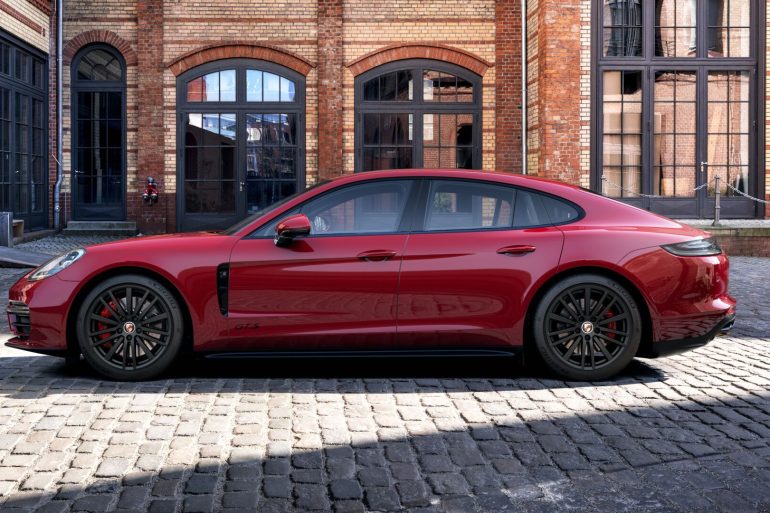
For the 2021 model year, Porsche introduced a comprehensive facelift:
Updated exterior styling with sharper bumpers and lighting revisions.
Interior technology upgrades, including improved infotainment and driver-assistance features.
Revised engine lineup, with greater emphasis on E-Hybrid models and the discontinuation of some lower-output variants in certain markets.
Panamera GTS received additional power, further narrowing the gap to Turbo models in real-world performance.
This refresh ensured the Panamera remained competitive against newer rivals from Mercedes-AMG, BMW M, and Audi RS.
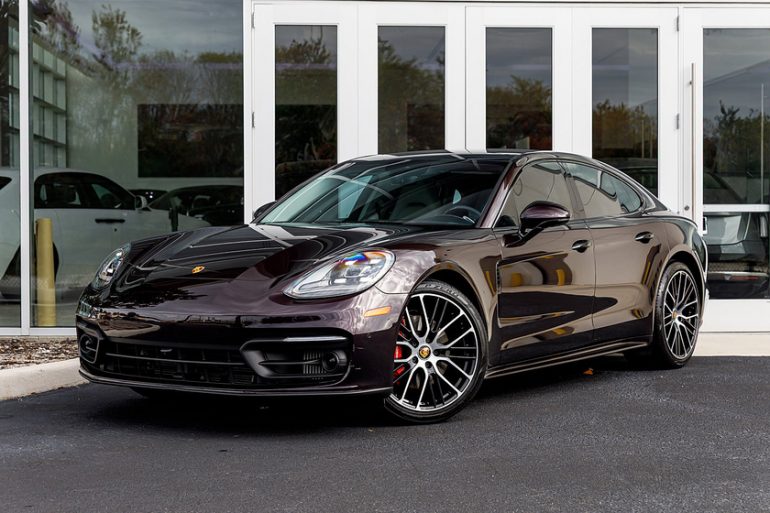
As the third-generation Panamera approached, Porsche refined the 971 lineup rather than reinventing it:
Plug-in hybrids became central to the range, reflecting Porsche’s broader electrification strategy.
Turbo and Turbo S E-Hybrid models served as halo variants, showcasing the maximum performance potential of the platform.
The Panamera Sport Turismo remained a distinctive alternative to traditional luxury sedans and SUVs.
By the end of its lifecycle, the 971 generation was widely regarded as the most complete and best-resolved Panamera yet.
All the usual variants made an appearance for the second generation Panamera. The Panamera 4S, 4S Diesel and flagship Panamera Turbo were available from launch. In March 2017, Porsche unveiled the Panamera Turbo S E-Hybrid, a plug-in hybrid for the 2018 model year. It got the 4.0 L V8 engine from the Panamera Turbo, paired with an electric motor, combining for 671 bhp, becoming the official top dog in Panamera pecking order. The Panamera Sport Turismo debuted in March 2017 at the Geneva Motor Show and is instantly popular, being offered in a few models. The Panamera lineup also has several variants available in the longer wheelbase Executive body.

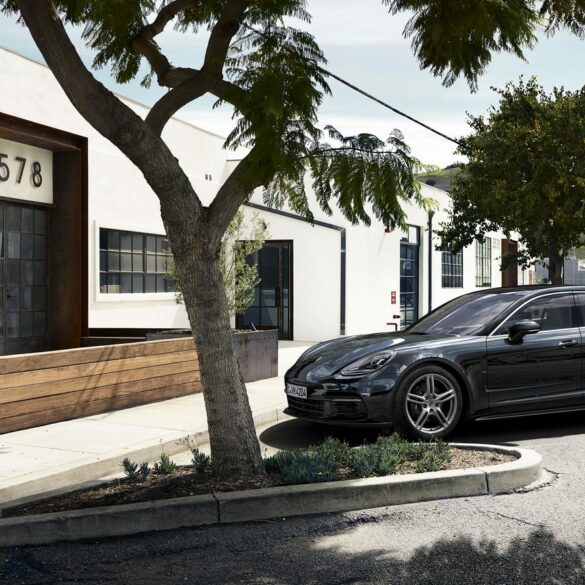
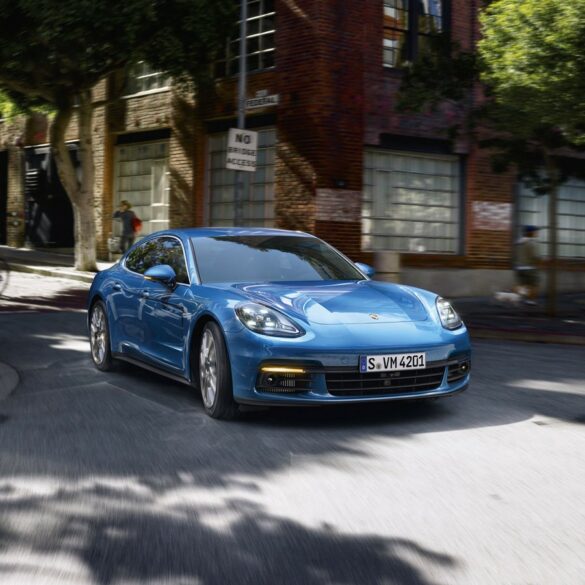
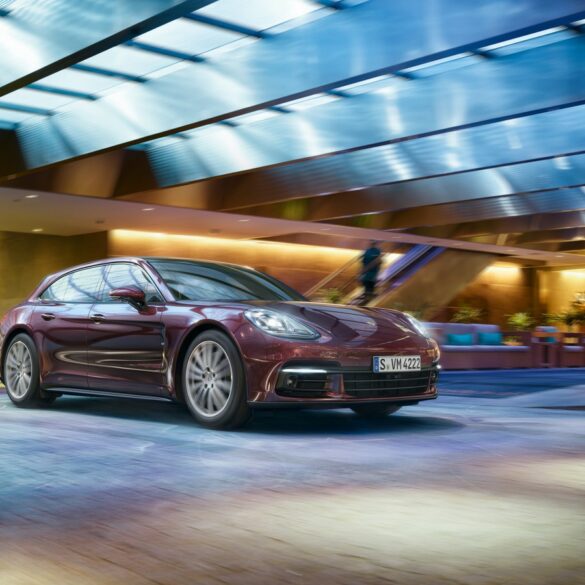
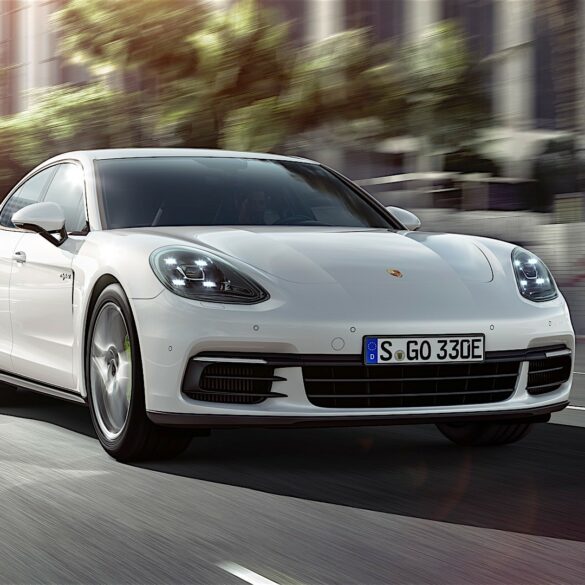

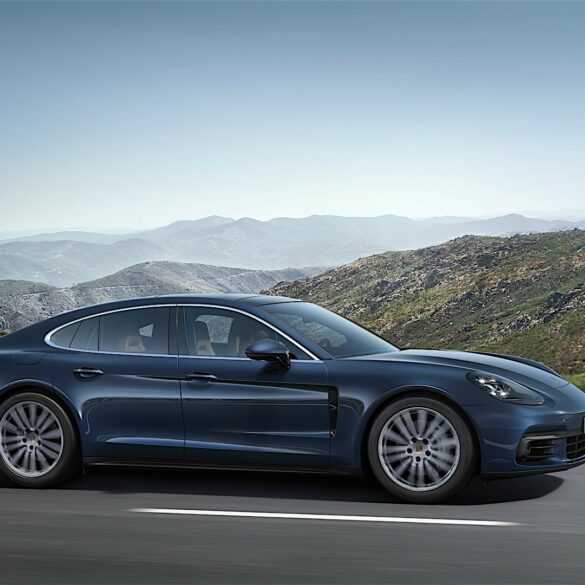

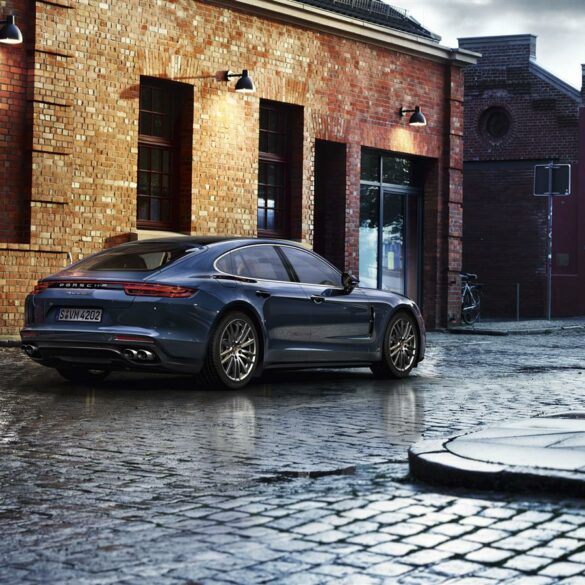
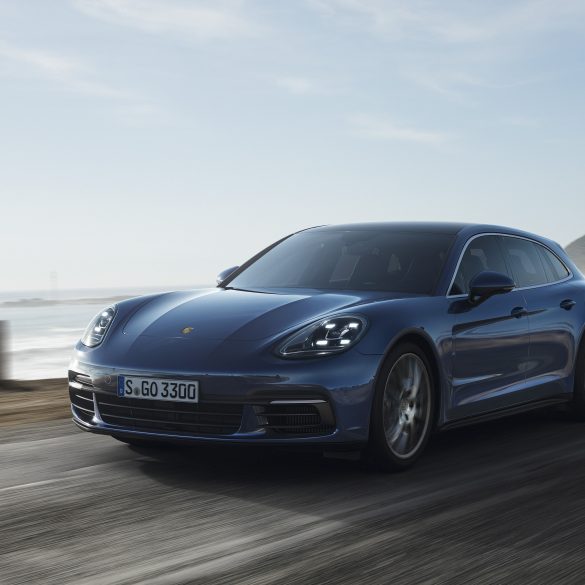
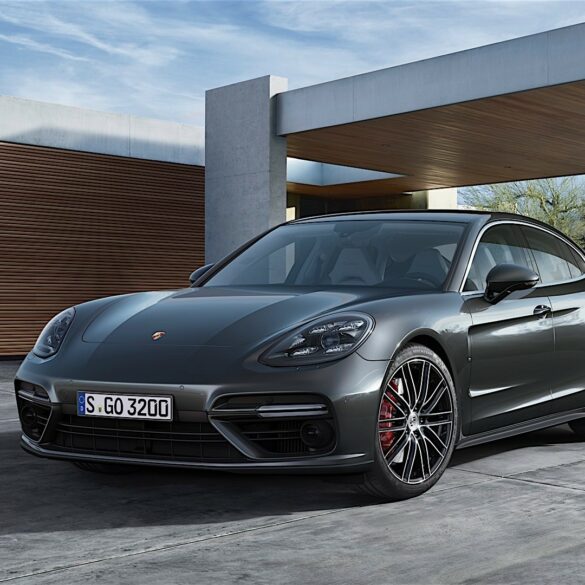
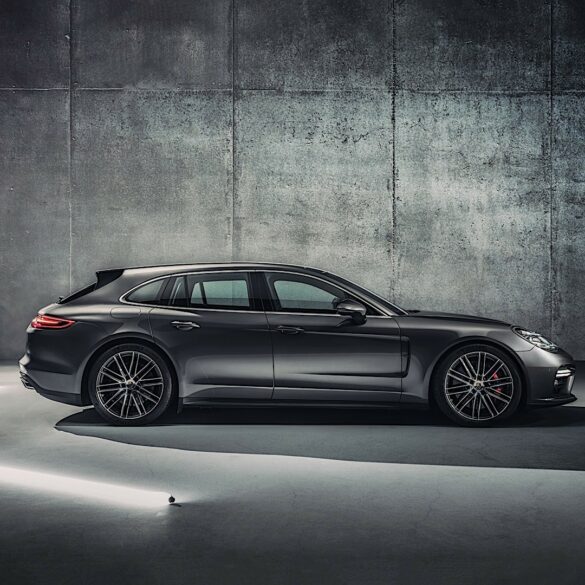
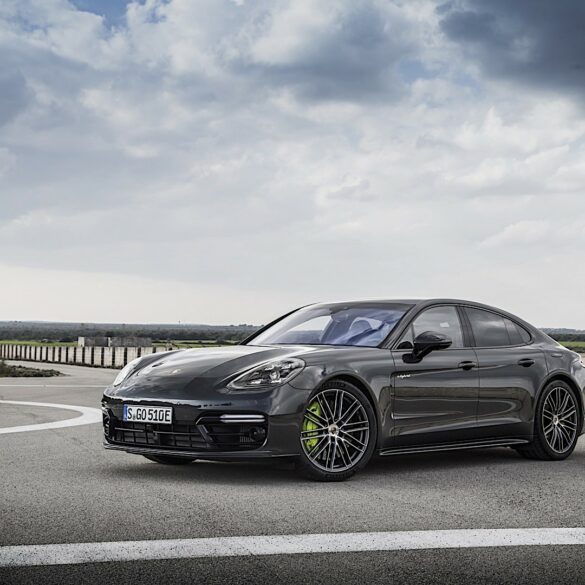

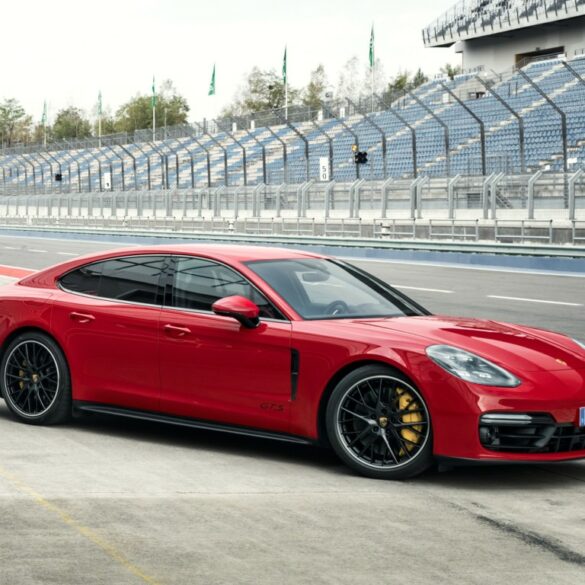
For the 2021 model year, the Panamera featured a redesigned front fascia, with a different bumper and lower apron. The previously optional Sport Design front end was featured as standard on the facelifted version. In the back, the revamped light strip ran seamlessly over the trunk lid, with an adapted contour and new LED taillights were installed. The three-piece retractable wing was kept. Models stayed the same, but now all variants are available as regular, Executive or Sport Turismo body styles. If you are keeping count, that means you can currently choose from 21 unique Porsche Panamera models in a dealership.


Porsche managed to fix the design of the Panamera with the second generation. Dare we say, it looked pretty damn sexy.
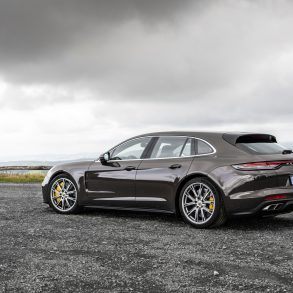
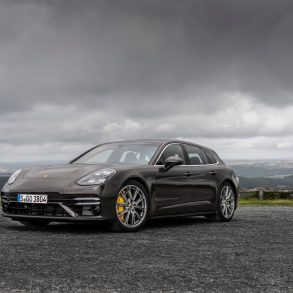
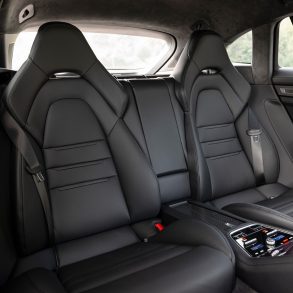
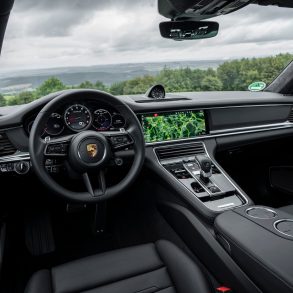
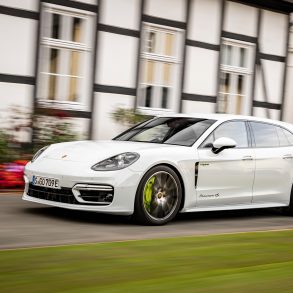
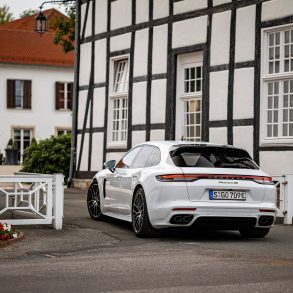
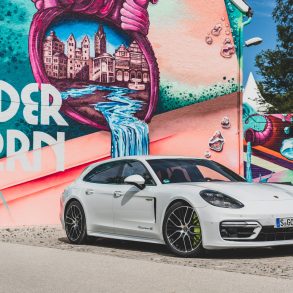
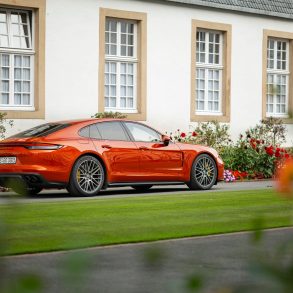
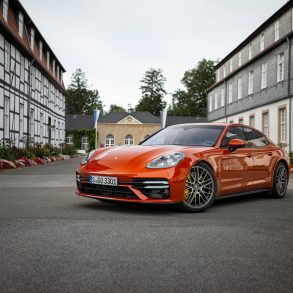
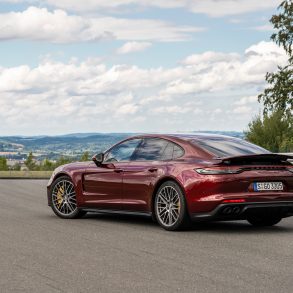
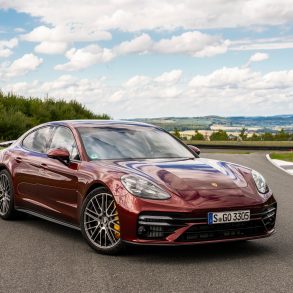
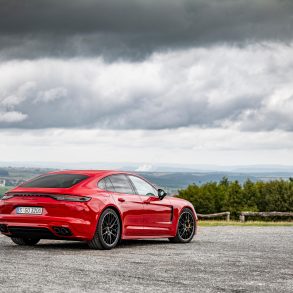
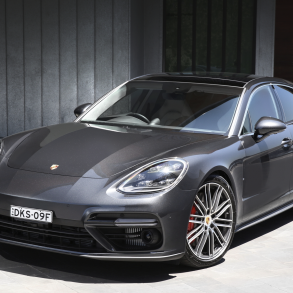
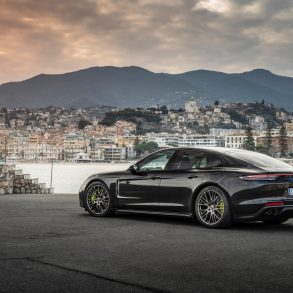
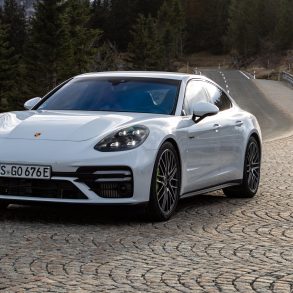
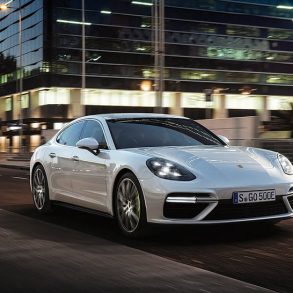
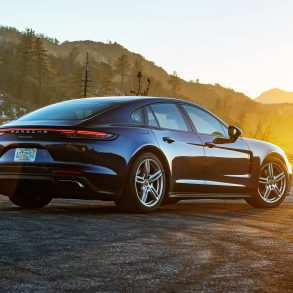
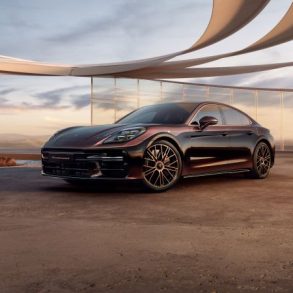
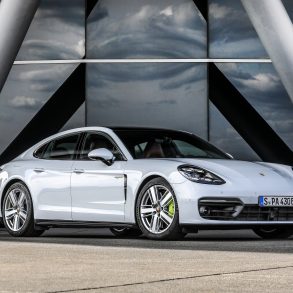
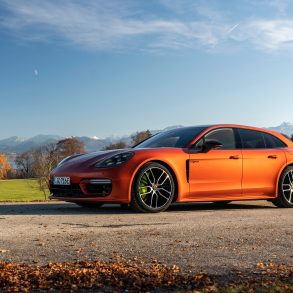
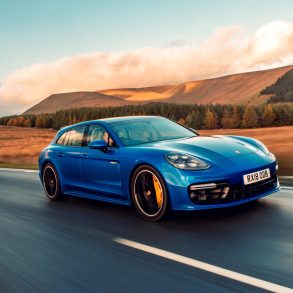
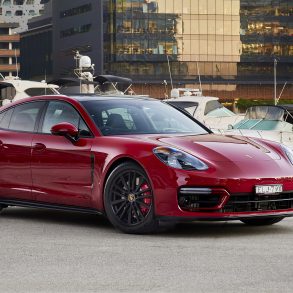
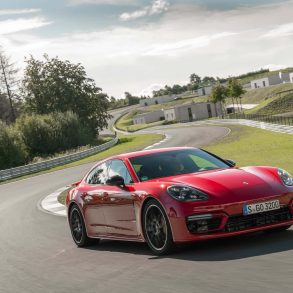
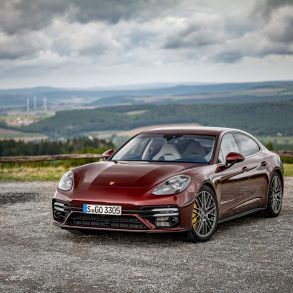
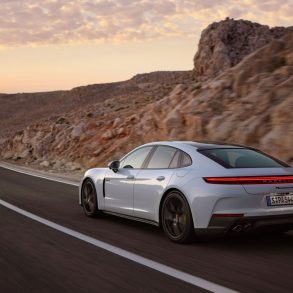
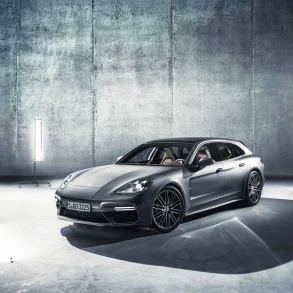
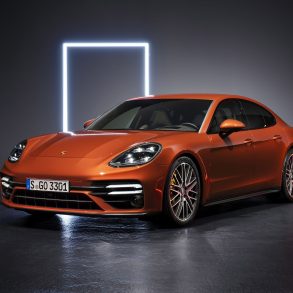
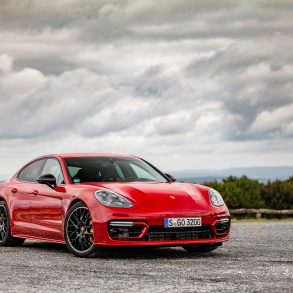
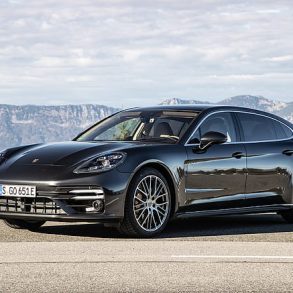
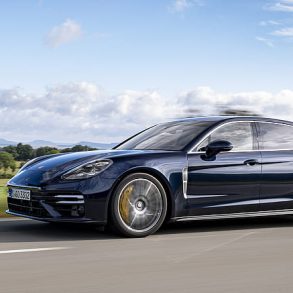
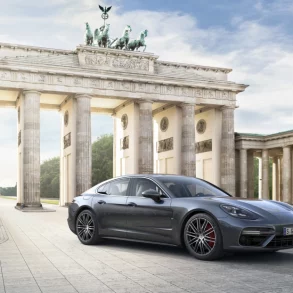
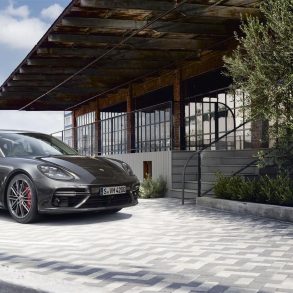
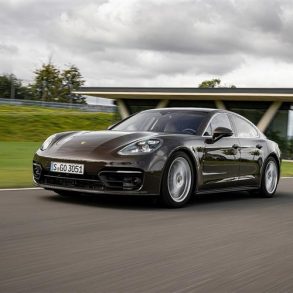
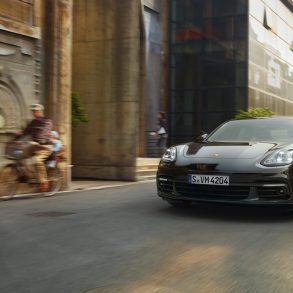
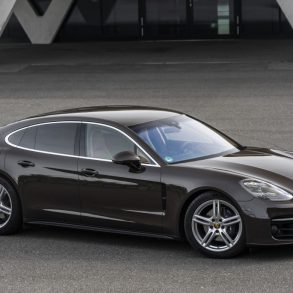
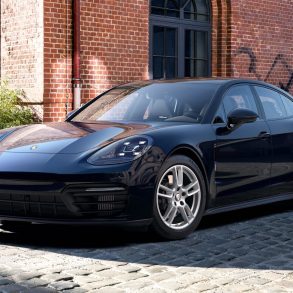
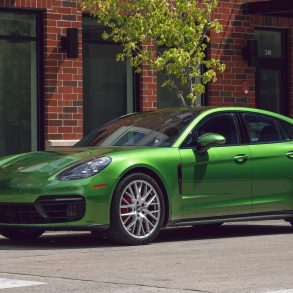
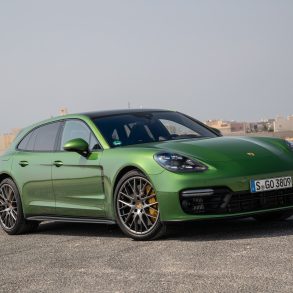
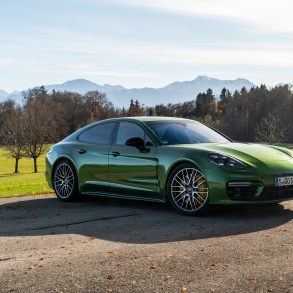
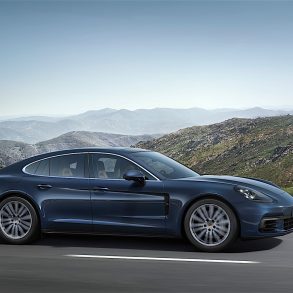
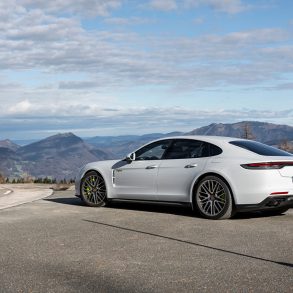
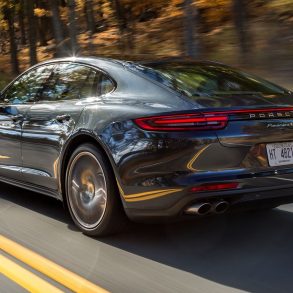
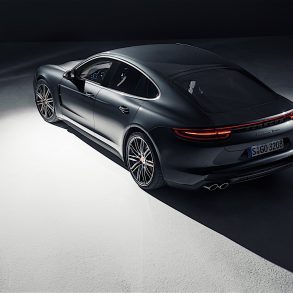
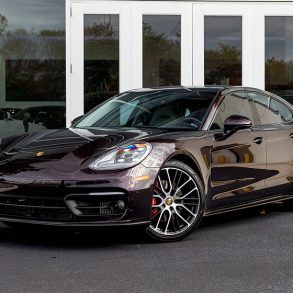
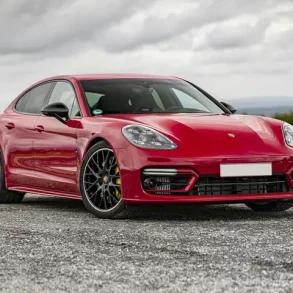
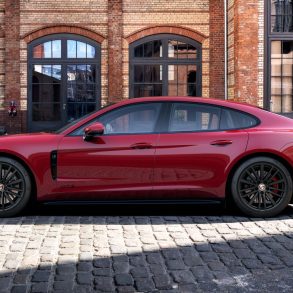
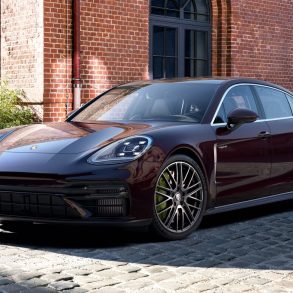
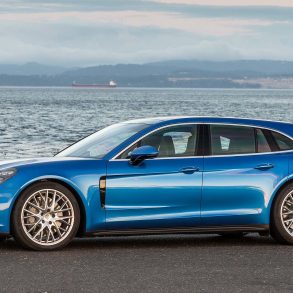
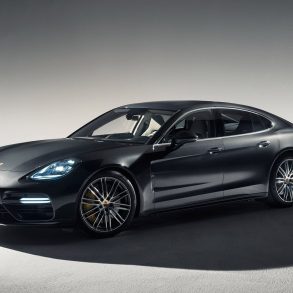
The second-generation Porsche Panamera (971) was designed under the leadership of Michael Mauer, Porsche’s long-time Head of Design.
Mauer oversaw the full exterior and interior redesign of the Panamera as part of Porsche’s broader effort to realign its four-door models more closely with the brand’s sports-car DNA—particularly the 911. While the design was executed by Porsche’s in-house design team in Weissach, the 971 Panamera reflects Mauer’s philosophy of cleaner surfaces, stronger proportions, and visual continuity across the Porsche lineup.
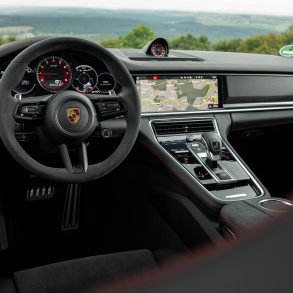
Key elements of his influence on the 971 included a longer dash-to-axle ratio and lower, wider stance, a pronounced fastback rear inspired by the 911 and a more minimal, driver-focused interior layout that previewed Porsche’s modern digital cockpit design language. The result was a Panamera that not only looked significantly more athletic than its predecessor, but also helped redefine Porsche’s design direction for luxury performance sedans going forward.
The Porsche Panamera (971)—the second generation Panamera—was produced from model year 2017 through model year 2023.
Production years: 2016–2023
Model years: 2017–2023
Mid-cycle refresh (971.2): 2021–2023
Porsche introduced the 971 in mid-2016 for the 2017 model year, followed by a significant facelift and powertrain update in 2021. Production concluded in 2023 as Porsche prepared for the launch of the third-generation Panamera.
The Porsche Panamera (971) spans a wide price range on the used market, reflecting its long production run, broad model lineup, and significant differences in performance, specification, and mileage. As a result, second-generation Panameras can be found at prices that overlap with mainstream luxury sedans at the lower end and exotic performance cars at the top.
Early 2017–2018 Panamera models now represent the most affordable entry point into the 971 generation. Base Panamera, Panamera 4, and some 4S examples with higher mileage are commonly available in the $30,000 to $50,000 range. These cars offer exceptional value given their original six-figure MSRP, modern technology, and strong performance, though buyers should factor in maintenance and warranty considerations.
Mid-cycle cars from around 2019–2020 generally sit higher in the market, often priced between $40,000 and $60,000, depending on condition, mileage, and options. These models benefit from incremental refinements, a broader selection of trims, and a stronger mix of performance and luxury features. Well-optioned 4S, GTS, and E-Hybrid variants tend to command the upper end of this range.
Later facelifted models (971.2), produced from 2021 to 2023, are the most expensive on the used market. Prices for these cars typically start around $70,000 and can exceed $100,000 for low-mileage examples, especially high-performance variants such as the GTS, Turbo, and Turbo S E-Hybrid. These newer cars appeal to buyers seeking updated styling, the latest infotainment, and Porsche’s most advanced hybrid powertrains.
Overall, most second-generation Panameras trade between roughly $50,000 and $90,000, making them one of the best performance-luxury bargains in the Porsche lineup. Final pricing is heavily influenced by trim level, options (such as rear-axle steering or air suspension), mileage, service history, and regional market demand.
The difference between the first-generation Porsche Panamera and the second-generation Panamera is significant, both mechanically and philosophically. The Porsche Panamera (970) (2010–2016) was Porsche’s bold first attempt at a four-door grand tourer, built on a bespoke platform with steel-heavy construction and a design that prioritized performance and interior space over visual elegance. While it delivered strong engines (especially the V8 models), superb high-speed stability, and a very “Porsche-like” driving feel for its size, it was heavier, less refined, and its interior tech now feels dated. Ride quality could be firm, fuel efficiency was modest, and early cars are known for higher running costs as they age.
By contrast, the Porsche Panamera (971) (2017–2023) represents a major leap forward. It rides on Porsche’s MSB platform, shedding weight while improving rigidity, and features far more advanced suspension technology, including widely available adaptive air suspension and rear-axle steering. The exterior design is sleeker and more cohesive—closer to a stretched 911—and the interior was completely modernized with digital displays, improved infotainment, and better materials throughout. Engines became more efficient and responsive, hybrid models gained real-world usability, and overall refinement improved dramatically, making the Gen 2 feel more like a luxury flagship that still happens to drive like a Porsche.
The difference between the second-generation Panamera (Gen 2) and the third-generation Panamera (Gen 3) reflects Porsche’s broader shift toward electrification, digitalization, and comfort—without abandoning performance. While the two generations look closely related at first glance, they differ meaningfully in platform philosophy, powertrains, interior technology, and market positioning.
The Porsche Panamera (971) was built on Porsche’s MSB platform and focused on proving that a large luxury sedan could still drive like a true Porsche. Gen 2 emphasized mechanical engagement, wide powertrain choice (V6, V8, and hybrids), and driver-focused chassis tuning. It was the generation where the Panamera fully earned respect as a performance car, not just a fast luxury sedan.
The Porsche Panamera (976) evolves that same MSB architecture but re-engineers it around electrification. Gen 3 is designed from the outset to support high-performance plug-in hybrids as the core of the lineup, rather than as optional variants. The result is a car that feels more future-facing, with smoother power delivery and greater emphasis on refinement.
Gen 2 offered one of the broadest engine lineups in Porsche history, ranging from turbocharged V6 models to full V8 Turbo and Turbo S E-Hybrid variants. Buyers could choose between relatively traditional combustion models and hybrids, with the GTS and Turbo appealing strongly to purists.
Gen 3 shifts the balance decisively toward electrified performance. Plug-in hybrids now sit at the heart of the range, delivering significantly more electric range, instant torque, and improved efficiency. While performance remains exceptional—often exceeding Gen 2 figures—the driving experience is smoother and more composed, with less emphasis on raw engine character and more on seamless speed.
Visually, the two generations are closely related, but their intent differs. Gen 2 refined the Panamera’s proportions dramatically over the first generation, introducing a sleeker roofline, wider stance, and more 911-inspired rear design. It still carried a relatively aggressive, muscular look—especially in GTS and Turbo trims.
Gen 3 takes a more elegant and modern approach. Styling changes are subtle but deliberate, with cleaner surfaces, sharper lighting, and a more mature, premium appearance. The third generation looks less overtly aggressive and more like a flagship luxury car that happens to be extremely fast.
Inside, the Gen 2 Panamera introduced Porsche’s modern digital cockpit, blending touchscreens with physical controls and a strong driver focus. It was a major leap forward from the first generation and still feels contemporary today.
Gen 3 significantly advances this concept. The interior is more digital, more minimalist, and more customizable, with a larger curved display, expanded driver assistance features, and improved infotainment integration. Passenger comfort, ride quality, and usability take a bigger role, signaling Porsche’s intent to make the Panamera even more competitive with top-tier luxury sedans.
The second-generation Panamera is often regarded as the more “driver-centric” car, particularly in non-hybrid V8 and GTS forms. It balances luxury and performance but still prioritizes steering feel, chassis engagement, and engine character—qualities that appeal strongly to enthusiasts shopping the used market today.
The third-generation Panamera is more refined, more technologically advanced, and more aligned with Porsche’s electrified future. It offers astonishing real-world performance with greater comfort and efficiency, but its character is more polished and less mechanical. Gen 3 is aimed squarely at buyers seeking a high-performance luxury flagship rather than a sports sedan with luxury added.
Gen 2 is about performance credibility and variety, while Gen 3 is about electrified performance and refinement. Enthusiasts often gravitate toward the second generation for its character and value, while the third generation represents Porsche’s vision of what a modern luxury performance sedan must be in the electrified era.
The Porsche Panamera (971) was one of the most innovative luxury performance sedans of its era—not because it reinvented the segment outright, but because it successfully unified technologies, architectures, and driving philosophies that had rarely coexisted so seamlessly in a four-door car. What made it special was how comprehensively Porsche rethought the Panamera concept after the polarizing first generation and transformed it into a true flagship worthy of the crest.
Perhaps the most important innovation of the 971 was its adoption of Porsche’s MSB (Modular Standard Platform), developed specifically for front-engine, rear-drive luxury performance cars. This architecture fundamentally changed how the Panamera drove and felt. By repositioning the engine further back in the chassis, reducing weight, and increasing structural rigidity, Porsche gave the second-generation Panamera a much more balanced, sports-car-like character. Compared to its predecessor, the 971 felt lighter on its feet, more precise, and dramatically more cohesive—an achievement few large luxury sedans could match.
At a time when hybrids were often tuned for efficiency rather than excitement, the 971 Panamera treated electrification as a performance tool. Porsche’s E-Hybrid models didn’t merely offset fuel consumption; they delivered immediate electric torque that enhanced acceleration and drivability. The Turbo S E-Hybrid, in particular, was a technological statement—combining a twin-turbo V8 with an electric motor to create one of the most powerful and fastest four-door cars in the world. This approach helped redefine what a hybrid performance sedan could be and set the template Porsche would later expand across its lineup.
The Panamera 971 introduced or refined a suite of advanced chassis systems that worked together in a way few competitors could match. Rear-axle steering improved agility at low speeds and stability at high speeds, while Porsche Dynamic Chassis Control (PDCC) and adaptive air suspension actively managed body control without degrading ride comfort. The innovation wasn’t in any single system, but in how seamlessly they were integrated. The result was a large luxury car that could cruise effortlessly one moment and deliver genuine sports-car handling the next.
Innovation isn’t always technical. The second-generation Panamera’s design was a major breakthrough in perception and acceptance. Where the first generation divided opinion, the 971’s proportions, fastback rear, and 911-inspired detailing finally aligned the Panamera visually with Porsche’s sports cars. This design coherence was crucial—it allowed buyers to see the Panamera not as an oddity, but as a natural extension of the Porsche brand.
The introduction of the Sport Turismo body style was another quiet but meaningful innovation. By offering a shooting-brake variant with genuine cargo space and a more upright rear profile, Porsche expanded the Panamera’s role without compromising its driving dynamics. It challenged the assumption that buyers needing practicality had to move into an SUV, reinforcing Porsche’s belief that performance cars can still be versatile.
Inside, the 971 Panamera debuted Porsche’s modern digital cockpit philosophy. Touch-sensitive controls, configurable digital displays, and a clean, driver-focused layout marked a major shift away from the button-heavy interiors of earlier models. This cabin design became the blueprint for later Porsche interiors, including newer 911 and Cayenne models, underscoring the Panamera’s role as a technology leader within the brand.
What ultimately made the second-generation Panamera so innovative was its balance. It didn’t chase novelty for its own sake; instead, it fused performance, luxury, technology, and practicality in a way that felt authentically Porsche. The 971 proved that a large, luxurious four-door car could deliver emotional engagement on par with smaller sports sedans while also pointing the brand toward an electrified future. In hindsight, it stands as the generation where the Panamera stopped justifying its existence—and started defining its segment.
The Porsche Panamera (971) was remarkably fast by any standard—and genuinely shocking given its size, weight, and luxury focus. Porsche engineered the second-generation Panamera to perform like a true sports car in a four-door body, and across the lineup it delivered acceleration and top-speed figures that rivaled contemporary super sedans and even some supercars.
At the entry level, even the “base” Panamera models were quick. The Panamera 4 and 4S models, powered by turbocharged V6 engines, could sprint from 0–60 mph in roughly 4.0 seconds (or slightly quicker with Sport Chrono). That placed them squarely in high-performance territory, faster than many dedicated sports cars from just a decade earlier.
Step up to the V8-powered models and the Panamera became genuinely explosive. The Panamera GTS, using a 4.0-liter twin-turbo V8, delivered 0–60 mph times in the mid-3-second range, paired with a top speed approaching 190 mph. It combined this straight-line pace with sharper chassis tuning, making it one of the most engaging large sedans Porsche has ever built.
The fastest Panamera variants were nothing short of astonishing. The Panamera Turbo could hit 60 mph in around 3.4 seconds, already supercar-quick for a luxury sedan. But the real headline-grabber was the Turbo S E-Hybrid, which combined a twin-turbo V8 with an electric motor to produce massive instant torque.
In optimal conditions, the Turbo S E-Hybrid could launch from 0–60 mph in as little as 3.0 seconds, with relentless midrange acceleration that made highway passing almost effortless. Top speed exceeded 190 mph, and unlike many performance cars, it could deliver this pace repeatedly and comfortably, even with passengers on board.
What made the 971 Panamera’s performance special wasn’t just the raw numbers—it was how easily and calmly it achieved them. Advanced all-wheel drive, rapid-shifting PDK transmissions, rear-axle steering, and sophisticated traction management meant the car could deploy its power with minimal drama. Even the fastest versions felt stable, composed, and confidence-inspiring at speeds where most large sedans would feel overwhelmed.
Equally important was consistency. The Panamera didn’t feel fast only in launch-control sprints; it delivered sustained, effortless speed at highway and autobahn velocities, reinforcing its role as a true high-speed grand tourer rather than just a straight-line performer.
The “best” year for a Porsche Panamera (971) ultimately depends on what you value most—price, reliability, technology, or performance—but for most buyers, there are two clear sweet spots within the second-generation timeline.
For most buyers, 2021 or 2022 represents the best overall version of the second-generation Panamera. These facelifted cars benefit from Porsche refining nearly every aspect of the 971 platform. Styling was subtly updated, interior tech was improved, and—most importantly—the powertrain lineup was simplified and matured. Porsche leaned heavily into hybrids during this period, and by 2021 the E-Hybrid systems were smoother, more reliable, and better integrated than earlier versions.
The GTS in particular became a standout after the facelift, gaining additional power and effectively replacing the Turbo as the most enthusiast-focused non-hybrid option. These later cars also tend to have fewer early-production quirks and benefit from incremental reliability improvements across electronics, suspension, and infotainment. The downside is price—these are among the most expensive used 971s—but they offer the most complete and future-proof ownership experience.
If value is the priority, 2018 or 2019 models are often the smartest buy. By this point, Porsche had resolved most early-production issues seen in 2017 cars, while prices today are significantly lower than facelift models. These years also offer the widest variety of trims, including V6, V8, GTS, and early E-Hybrid models, giving buyers more choice depending on driving preferences.
A well-optioned Panamera 4S or GTS from 2018–2019 delivers exceptional performance, modern tech, and classic Porsche character at a fraction of its original MSRP. For enthusiasts who prefer combustion engines and want to avoid the complexity of hybrid systems, this period is especially appealing.
While 2017 cars can be tempting due to lower prices, they are generally the least desirable year within the second generation. As the first model year of a ground-up redesign, early 971s experienced more software updates, infotainment glitches, and minor electronic issues than later cars. Many examples are perfectly fine today—especially well-maintained ones—but buyers should be more diligent about service history and updates.
Recent news, awesome reviews, new model announcements and all the other latest news and posts regarding the Porsche Panamera.
Join Our Porsche Community
Sign up for our weekly Porsche newsletter. The latest Porsche news, rumors, reviews and more delivered to your inbox. Cool Porsche stuff perfect for the flat-six obsessed.