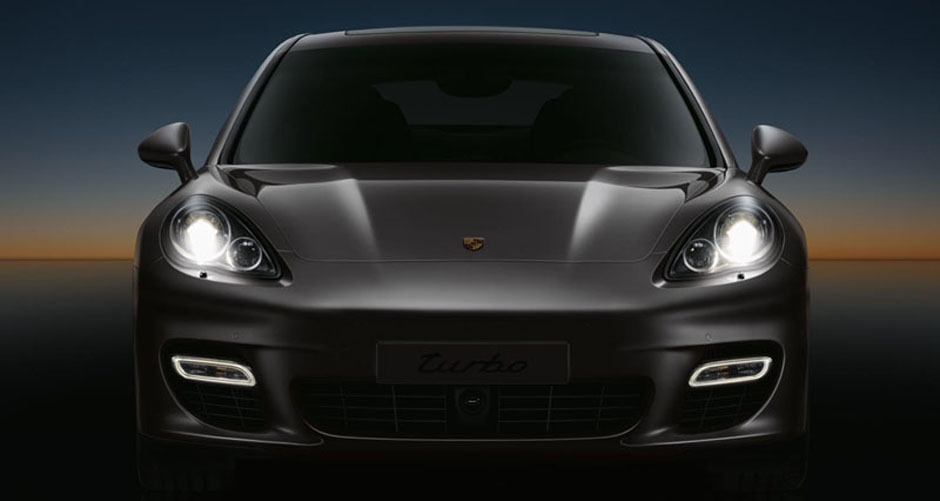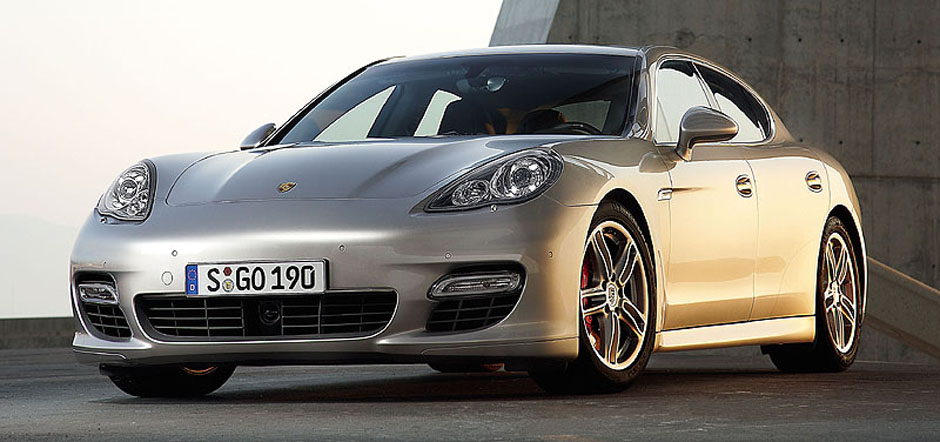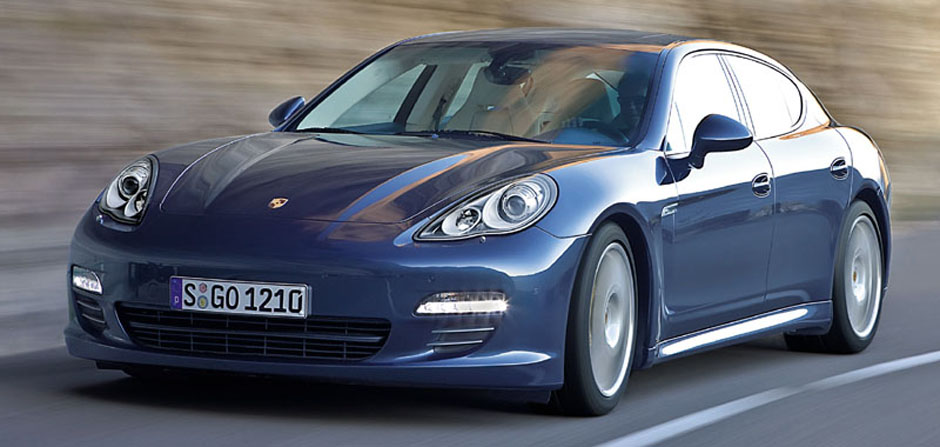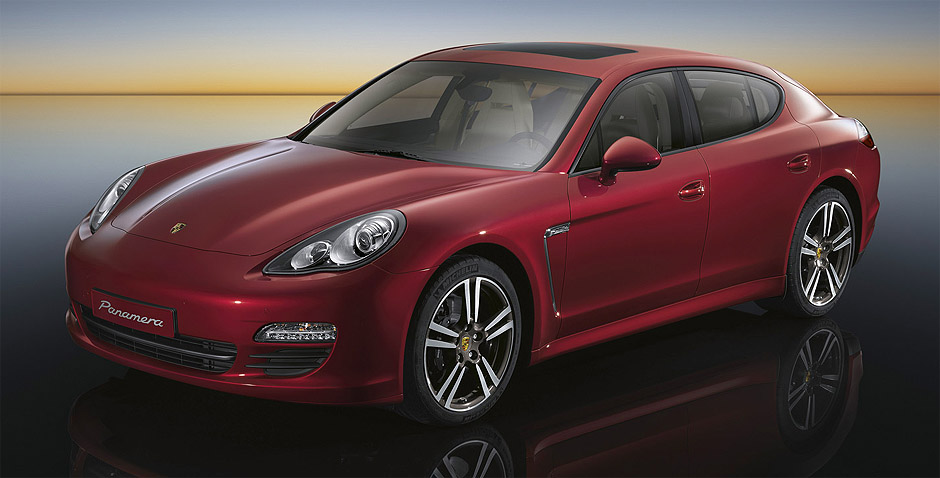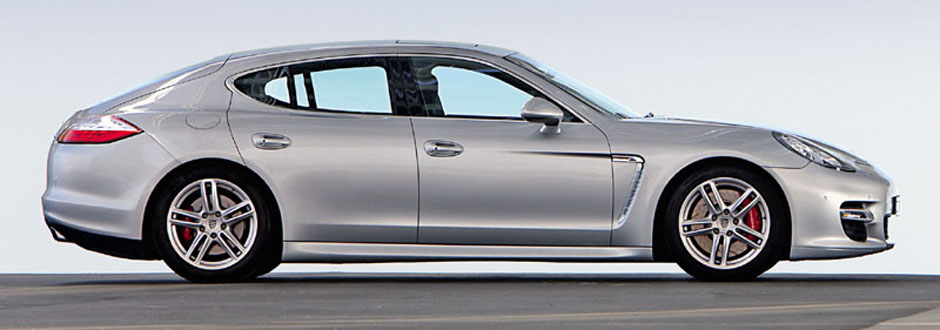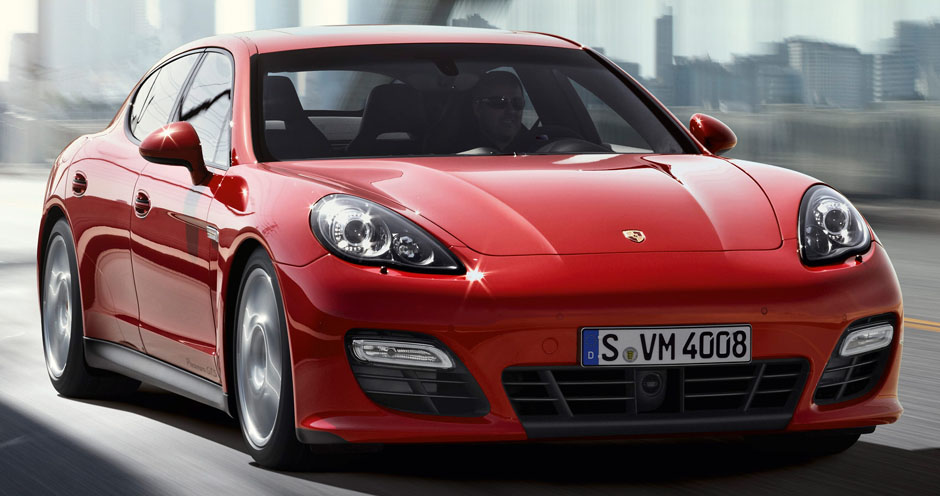


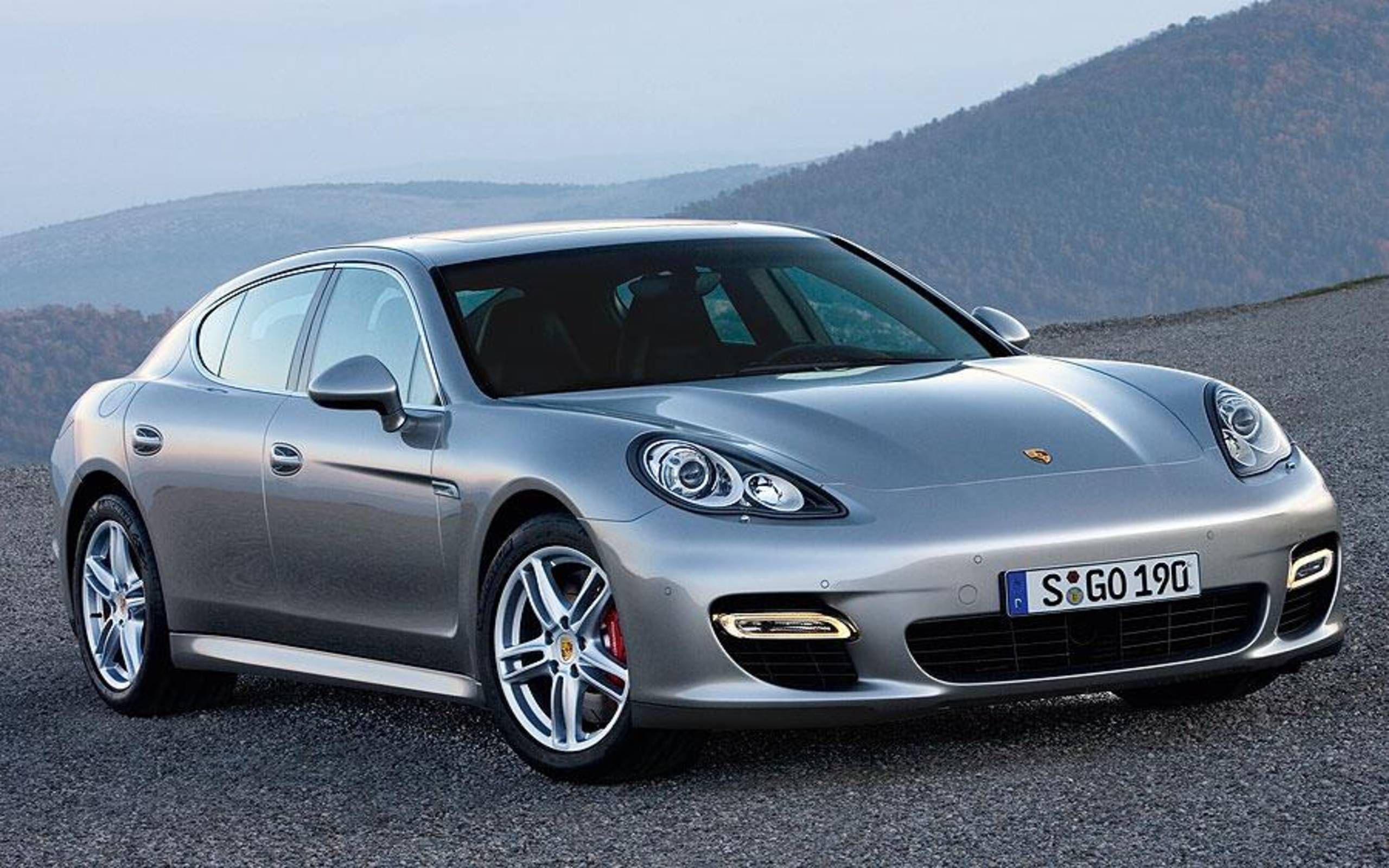
1st Generation Porsche Panamera (970.1) Story & History
Panamera (2009 – 2013)
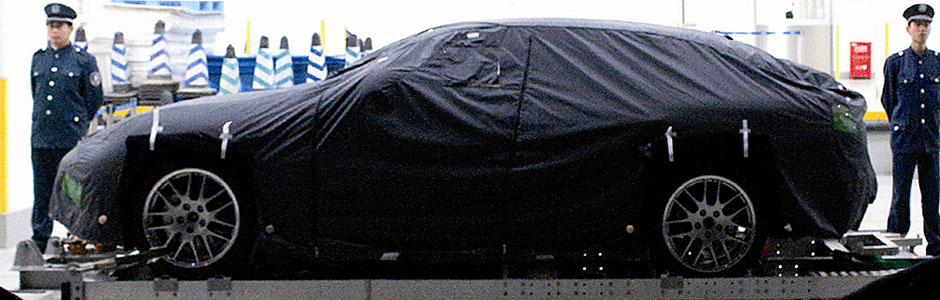
Official photos: 2008 November 24 / Premiere: 2009 April 19 at Auto Shanghai / Market launch: 2009 September
Performance Data (1st Gen Panamera)
| Modification | Engine | kW | lb-ft | Nm | Gearbox | 0-60 mph | 0-100 km/h | mph | km/h | kg | lb | W/lbt | W/kg |
|---|---|---|---|---|---|---|---|---|---|---|---|---|---|
| Panamera Diesel | 3.0V6 Audi | 184 | 405 | 550 | Tiptronic 8-speed | 6.5 sec. | 6.8 sec. | 150 | 242 | 1,880 | 4,145 | 44.40 | 97.90 |
| Panamera V6 | 3.6V6 | 220 | 295 | 400 | manual 6-speed | 6.5 sec. | 6.8 sec. | 162 | 261 | 1,730 | 3,814 | 57.50 | 127.00 |
| PDK 7-speed | 6.0/*5.8 sec. | 6.3/*6.1 sec. | 161 | 259 | 1,760 | 3,880 | 56.70 | 125.00 | |||||
| Panamera 4 | 3.6V6 | 220 | 295 | 400 | PDK 7-speed | 5.8/*5.6 sec. | 6.1/*5.9 sec. | 160 | 257 | 1,820 | 4,012 | 54.80 | 121.00 |
| Panamera Hybrid | 3.0V6 SC 245 kW + el.motor 34 kW | 279 | 427 | 580 | Tiptronic 8-speed | 5.7 sec. | 6.0 sec. | 168 | 270 | 1,980 | 4,365 | 63.90 | 141.00 |
| Panamera S | 4.8V8 | 294 | 368 | 500 | manual 6-speed | 5.4 sec. | 5.6 sec. | 177 | 285 | 1,770 | 3,902 | 75.30 | 166.00 |
| PDK 7-speed | 5.2/*5.0 sec. | 5.4/*5.2 sec. | 176 | 283 | 1,800 | 3,968 | 74.00 | 163.00 | |||||
| Panamera 4S | 4.8V8 | 294 | 368 | 500 | PDK 7-speed | 4.8/*4.6 sec. | 5.0/*4.8 sec. | 175 | 282 | 1,860 | 4,101 | 71.70 | 158.00 |
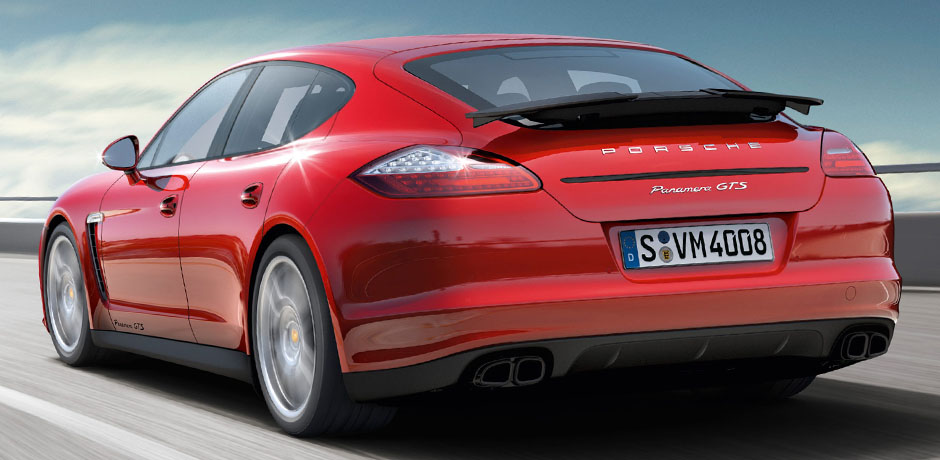
| Panamera GTS | 4.8V8 | 316 | 383 | 520 | PDK 7-speed | 4.3/*4.1 sec. | 4.5/*4.3 sec. | 179 | 288 | 1,920 | 4,233 | 74.70 | 165.00 |
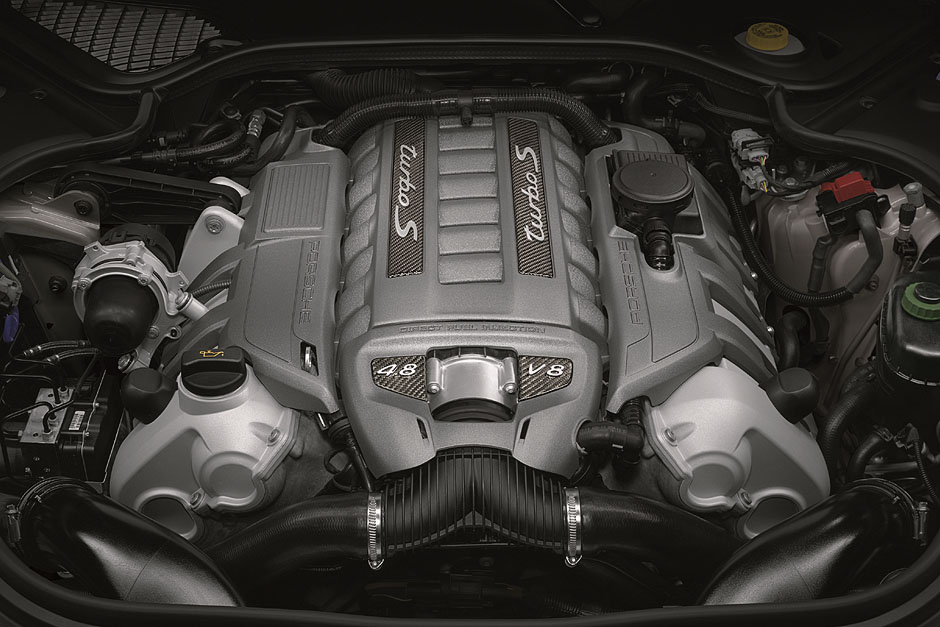
| Panamera Turbo | 4.8V8 TT | 368 | 516 | 700 | PDK 7-speed | 4.0/*3.8 sec. | 4.2/*4.0 sec. | 188 | 303 | 1,970 | 4,343 | 84.70 | 187.00 |
| Panamera Turbo WLS | 4.8V8 TT | 397 | 590 | 800 | PDK 7-speed | *3.7 sec. | *3.9 sec. | 190 | 305 | 1,970 | 4,343 | 91.40 | 202.00 |
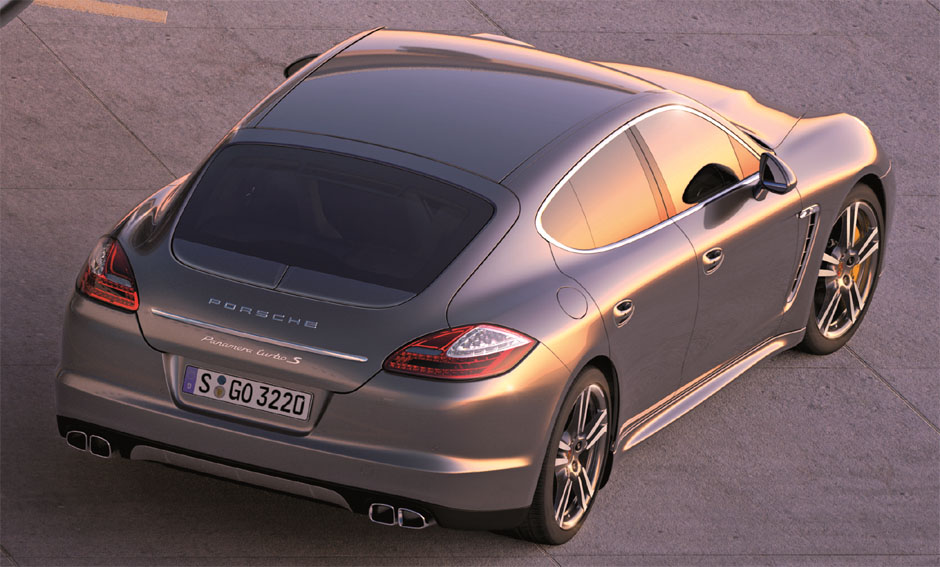
| Panamera Turbo S | 4.8V8 TT | 404 | 590 | 800 | PDK 7-speed | *3.6 sec. | *3.8 sec. | 190 | 306 | 1,970 | 4,343 | 93.00 | 205.00 |
Panamera History
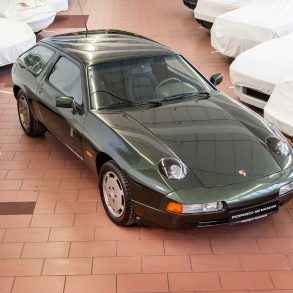
Porsche planned to launch a 4-door car called 989 already in 1995 as the successor to the 928, but for different reasons the time wasn’t right yet. According to the official press release from July 27, 2005, the Panamera would have rear wheel drive and its name is derived from the Carrera Panamericana long-distance race. The German share in the creation of the value would be approximately 70% and expected sales at least 20,000 units a year.
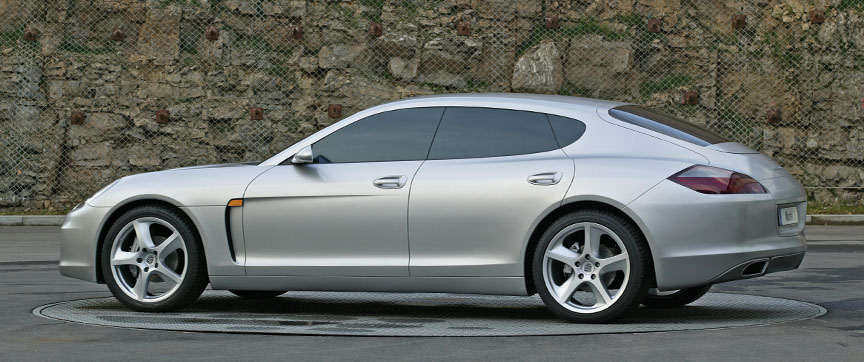 This is one of the three clay models that were created in order to decide on the look of the Panamera. This one was called “Porsche Mirage” and is closest to the production Panamera.© Porsche
Made in Germany
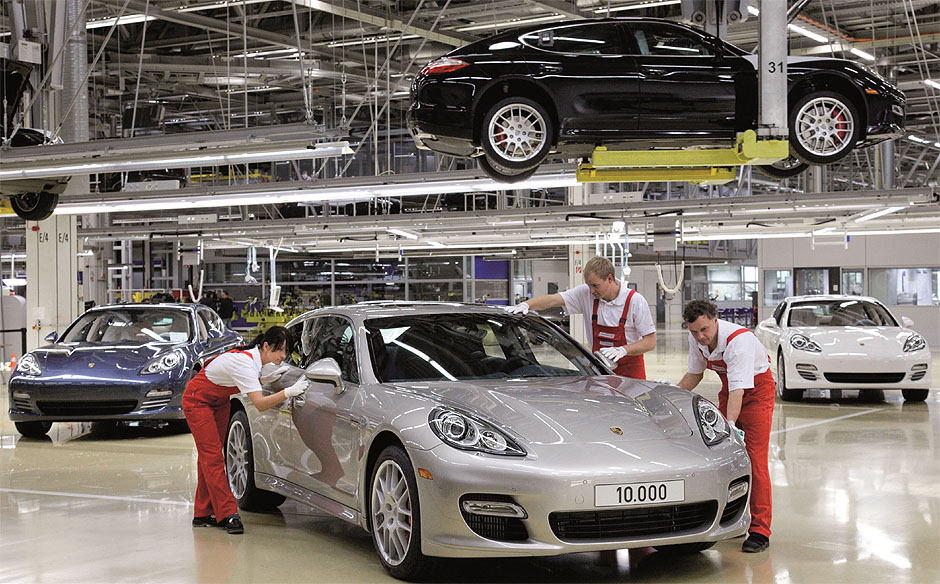
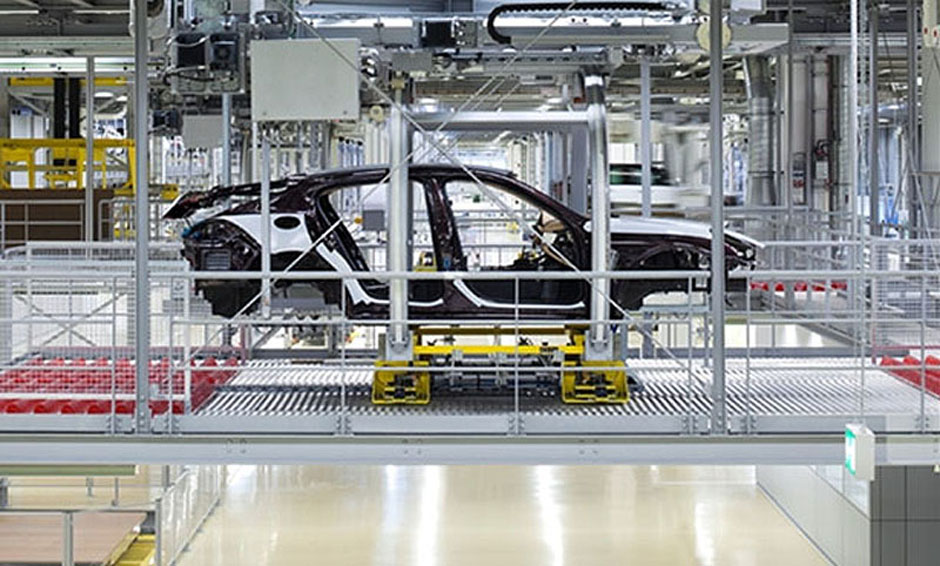
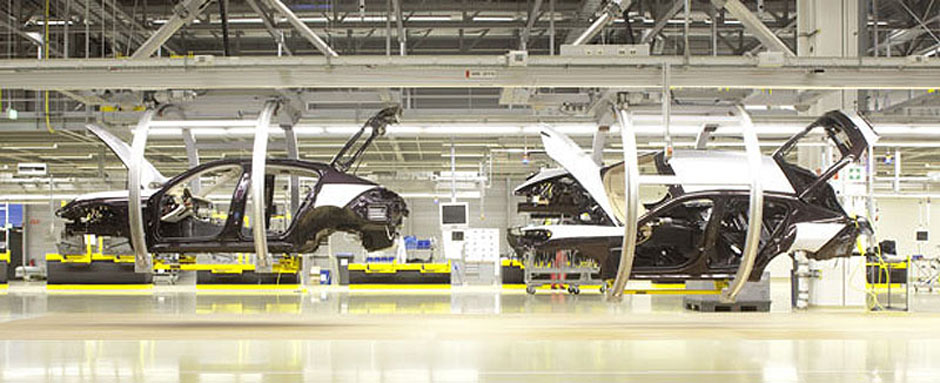
While Cayennes were made by Volkswagen in Slovakia and transported to Porsche factory in Leipzig, Germany, for the ‘marriage’ only, the Panamera 970 bodyshells were made and painted at Volkswagen factory in Hannover, Germany, and assembled at Porsche in Leipzig.
Novel door hinges
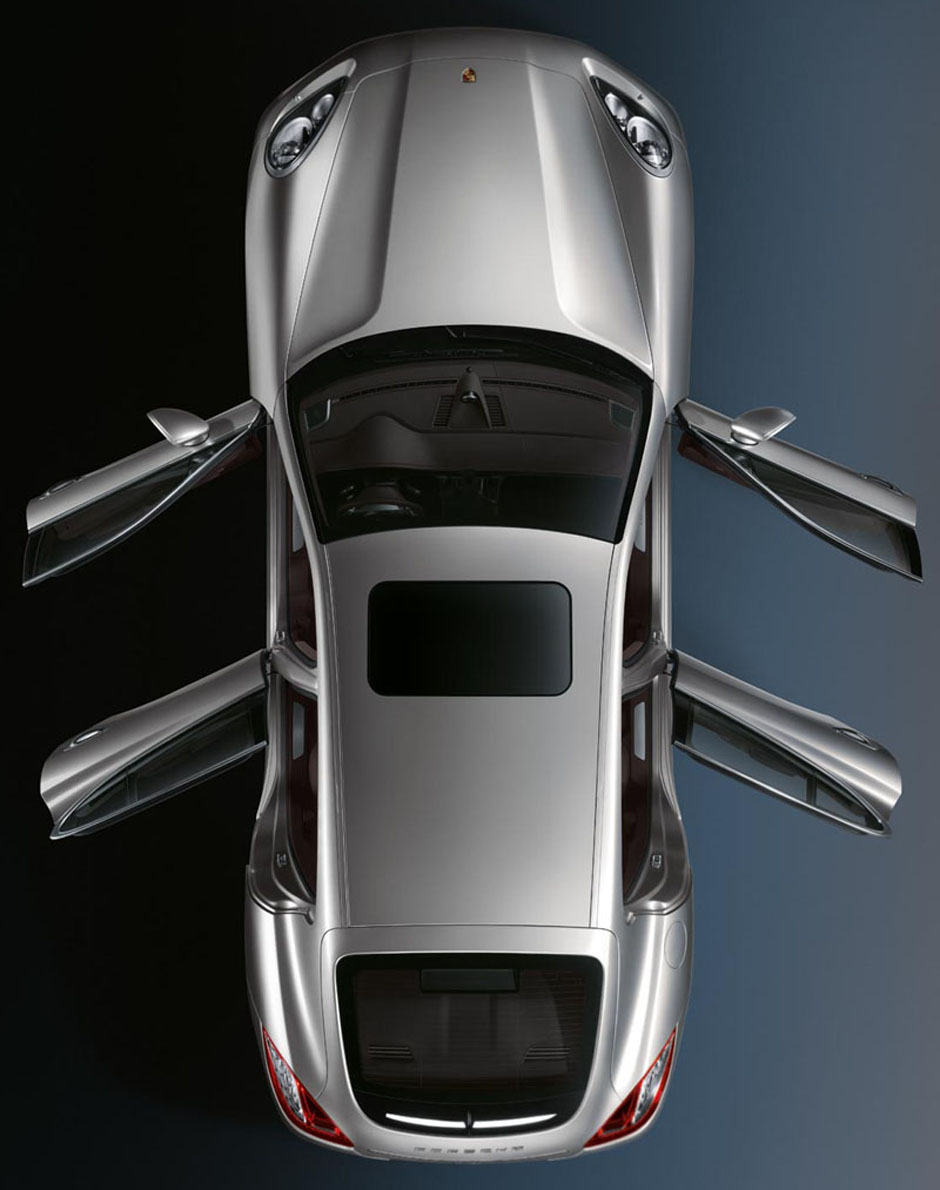
The Panamera door hinges have the really cool and needed halt function – however wide you leave the door, it is kept in that position until you move it with force again. This solution helps to prevent hitting your door to other car’s door in tight parking space. Neat! Why did it took the auto industry so long to develop such doors?
Active Bonnet System
Safety was further improved with the active bonnet system – when the sensors in the front apron detect a collision with a pedestrian, the rear edge of the bonnet raises thanks to pyrotechnical charges. This system tries to reduce the injury by making the pedestrian to roll over the car instead of landing in the windscreen.
Automatic start/stop function
New technologies included the engine automatic start/stop function in conjunction with the automatic gearbox. It helped to save CO2 emissions. If you stopped at the traffic lights with your foot on the brake pedal, the system would stop the engine and restart it as soon as the brake pedal was released. Later every new car had it, but in 2009 the CO2 problem was not on too many minds yet, so, this new system sounded like a starter motor killer.
Sport Chrono Package and Launch Control
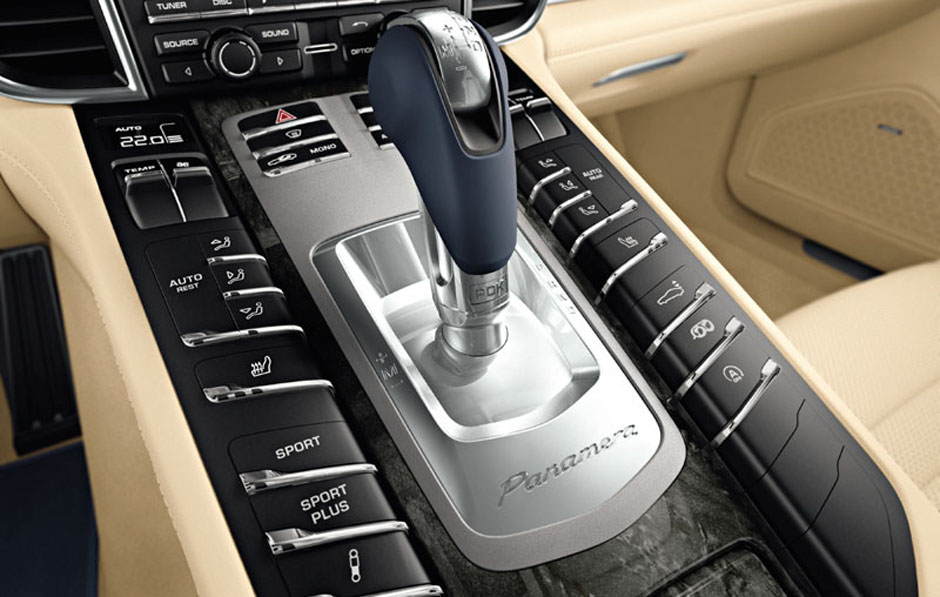
The Sport Chrono Package with the stop watch on the dashboard was originally really useless on the sports cars, but with the PDK gearbox the Launch Control system was merged into the package making the jump from standstill quicker. The function is operated via the Sport Plus button with the gear lever in “D” or “M”. With the left foot pressing the brake pedal (yes, left foot on the brake – you are a racing driver now!), press the accelerator pedal fully to the metal with your right foot. The engine is revved to an optimum speed of around 5500 rpm and the clutch is already held in slight contact. The message “Launch Control active” appears on the instrument cluster display. Now release the brake quickly not to wear out your clutch.
Overboost function
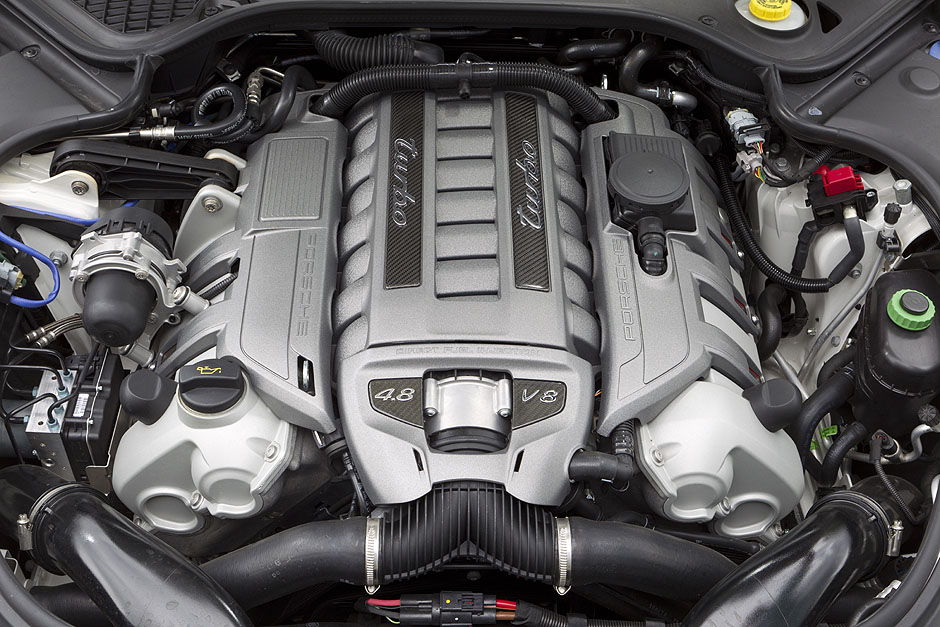
With the Panamera Turbo and the Sport Chrono package you get the overboost function, which means that under acceleration it is possible to increase turbo boost and with it, the torque. The maximum turbo boost is normally 0.85 bar at 2500 rpm and with the overboost function at full throttle it is increased by up to 10% between 2000-5000 rpm. The peak torque is temporarily increased from 700 to 770 Nm.
First ever Porsche V6
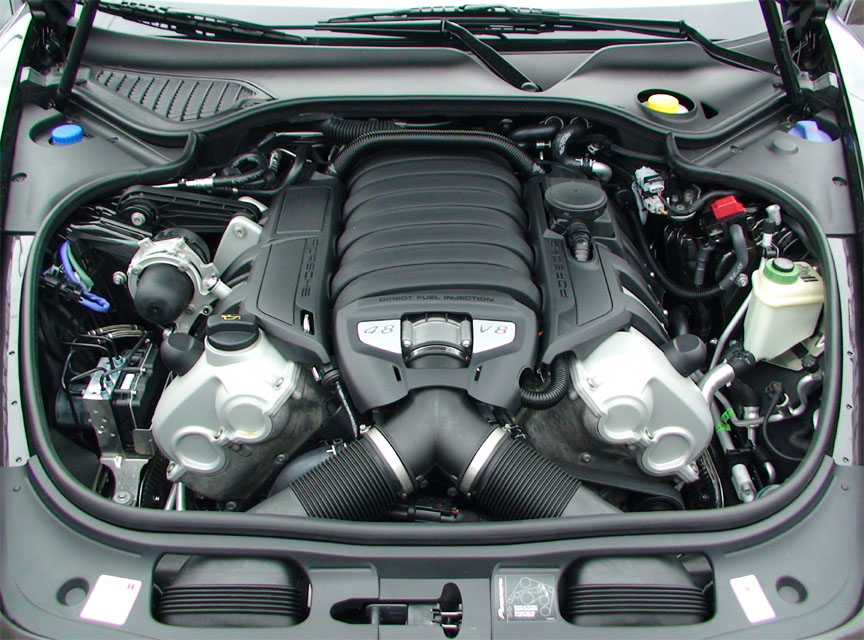
The Cayenne of the same era used Volkswagen 3.6V6 engine, but the Panamera 3.6V6 is not the same. They both have exactly the same power and exactly the same torque figures, but still they are completely different engines. The Panamera V6 is basically a Panamera S V8 without 2 cylinders. Cayenne V6 has 3598cc and Panamera V6 has 3605cc. This was the first Porsche V6 series production engine.
Dry sump lubrication
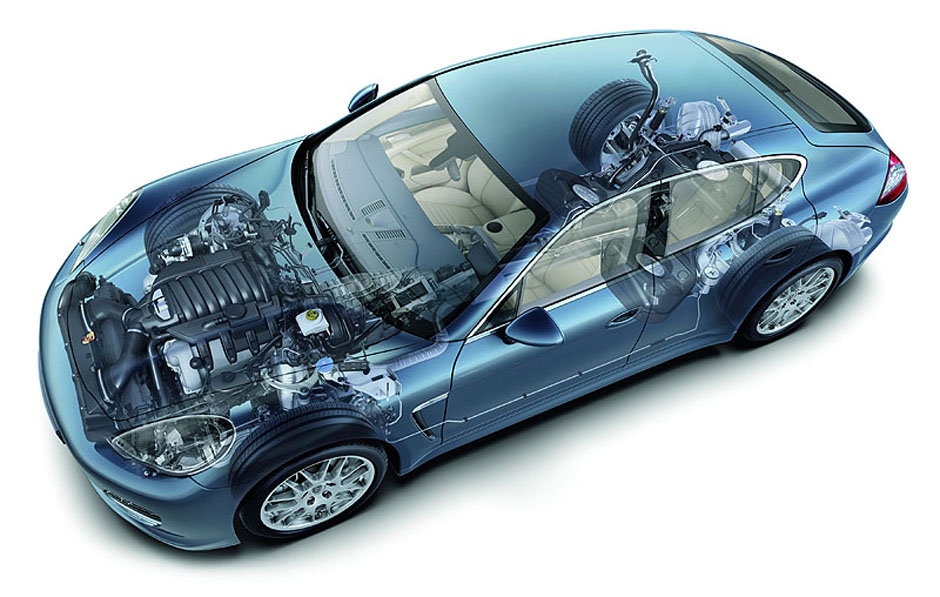
The Panamera V6 and V8 Porsche engines have dry-sump lubrication. Instead of the external oil tank, the oil reservoir is located inside the engine.
Manual transmission
The first generation Panamera was the only one available with manual transmission. Panamera 970.1 S with its 4.8V8, rear wheel drive and manual transmission will remain the most fun to drive Panamera ever made.
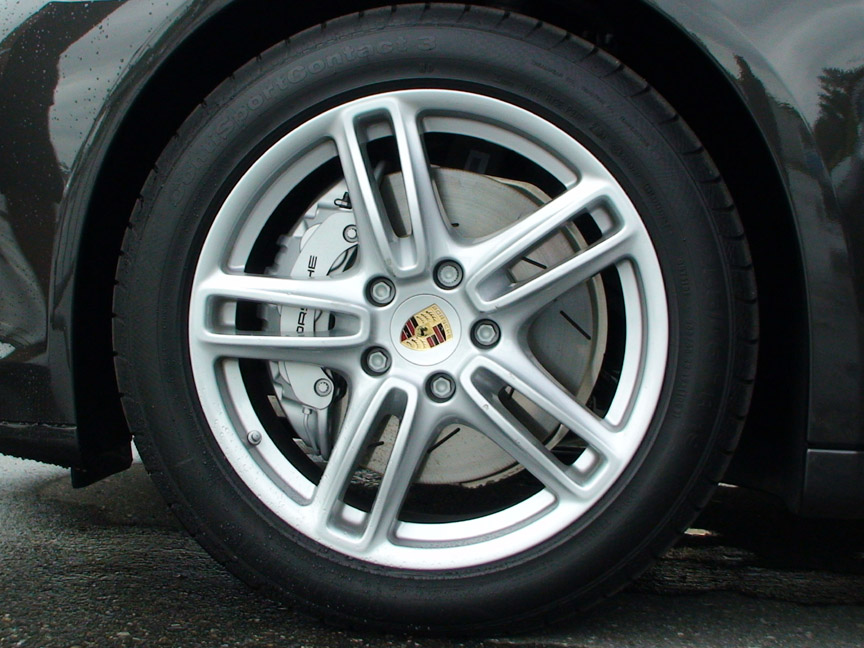
Brakes
| Color of callipers | Front disc diameter | Rear disc diameter | |
| Panamera Diesel/3.6/4 | Black | 14.2″/360 mm | 13.0″/330 mm |
| Panamera Hybrid/S/4S | Silver | 14.2″/360 mm | 13.0″/330 mm |
| Panamera GTS/Turbo | Red | 15.4″/390 mm | 13.8″/350 mm |
| PCCB/Turbo S | Yellow | 16.1″/410 mm | 13.8″/350 mm |
The PCCB Porsche Ceramic Composite Brake discs don’t last much longer than steel ones, but are very expensive to replace. Also, driving in the rain, the steel discs might leave a better impression. PCCB’s benefit is that the discs are light and they reduce unsprung mass, but that is not important on a family car.
Fuel tank size
| gal GB | gal US | Litre | |
| Diesel/3.6/Hybrid/S | 17.6 | 21.1 | 80 |
| 4S/Turbo | 22.0 | 26.4 | 100 |
Hybrid
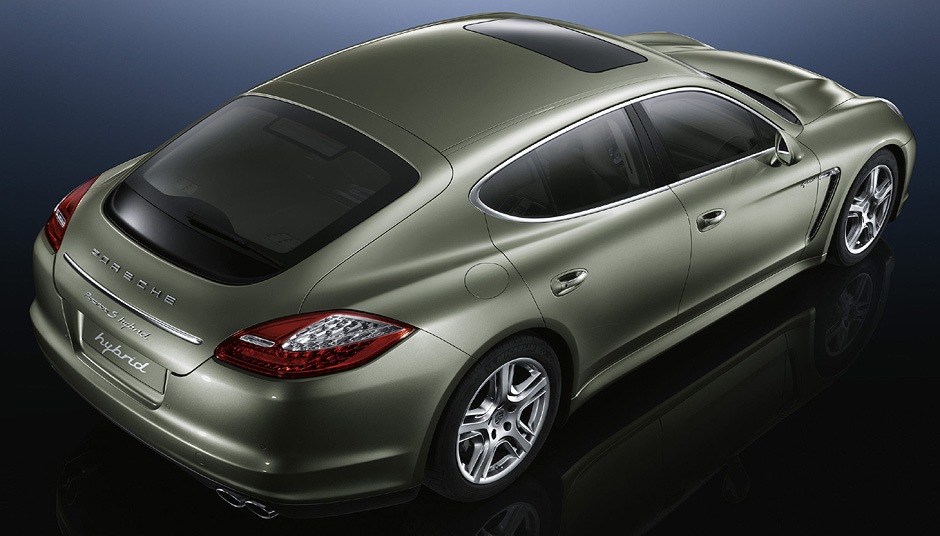
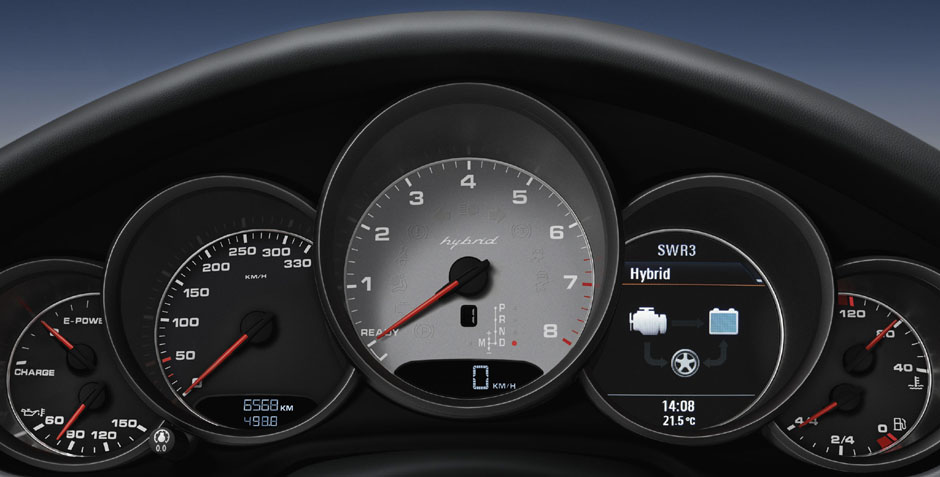
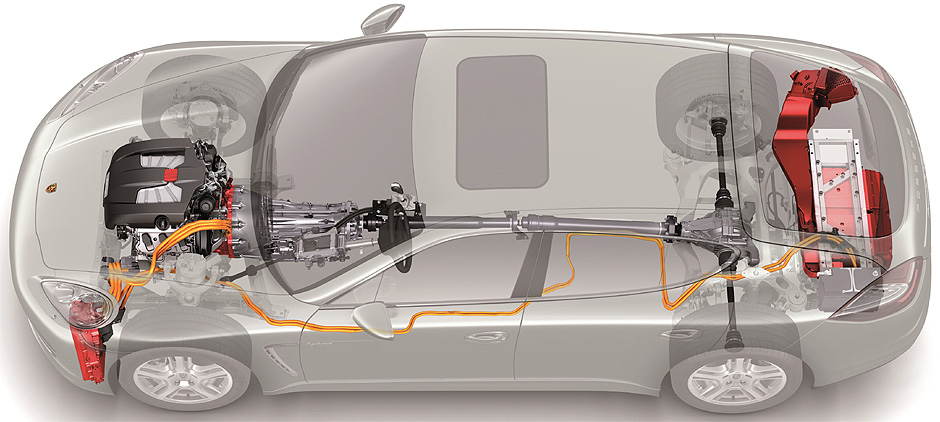
It was called “Panamera S Hybrid” to justify the price tag, but it really was just a Panamera Hybrid. The Panamera S had a Porsche V8, while the Panamera Hybrid was equipped with an Audi engine. Despite uniting the power from the supercharged 3.0V6 with the electric motor, its performance matched that of the Panamera V6 and not of the V8 due to the heavy batteries of the hybrid car. At least you were a good person and saved some CO2 and with this, our planet.
Panamera Hybrid and Panamera Diesel were available only with the Tiptronic gearbox. The Tiptronic was the new 8-speed unit from the 958-generation Cayenne. The top speed was still achieved in the 6th gear. 7th and 8th gear are overdrive gears to reduce the CO2 emissions. The 8-speed Tiptronic works like magic and might even be a better transmission for a cruiser. On the race track, the PDK is the king.
While Cayenne Hybrid of the same era was a 4WD car, Panamera Hybrid and Panamera Diesel were available with rear-wheel-drive only.
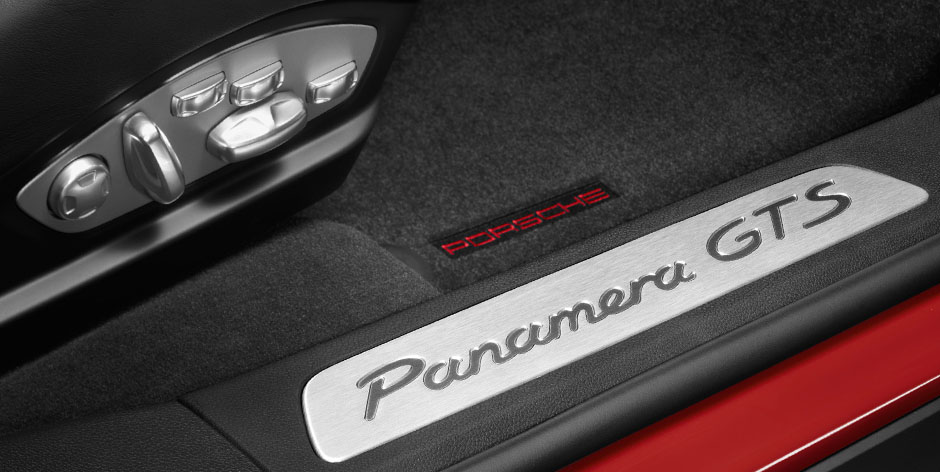
GTS standard equipment
4WD
PDK
+22 kW compared to the S/4S engine
+60 kg/132 lb compared to the 4S and +150 kg/331 lb compared to the Panamera S with standard equipment
Panamera Turbo brakes
Air suspension and PASM (adjustable shock absorbers), lowered 0.4″/1 cm compared to S/4S
SportDesign front spoiler
Sports exhaust
Sports steering wheel with paddle shift
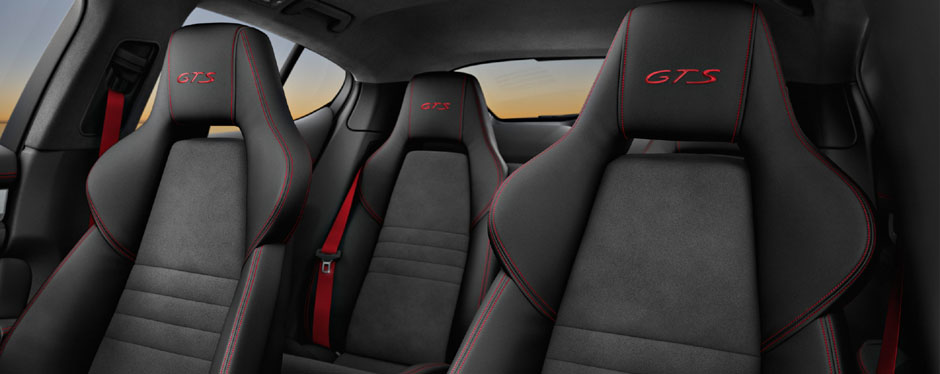
Sports seats
Sport Chrono Package
5 mm rear wheel spacers
19″ wheels
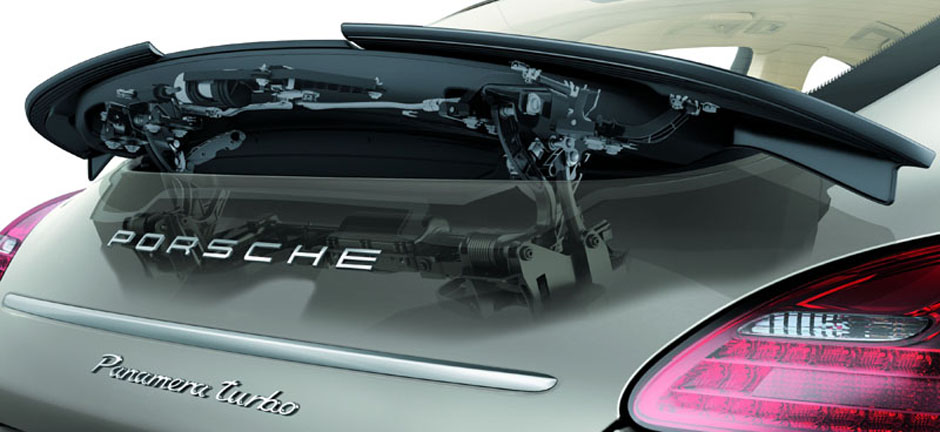
Panamera Turbo rear spoiler
Optional: special GTS alcantara interior
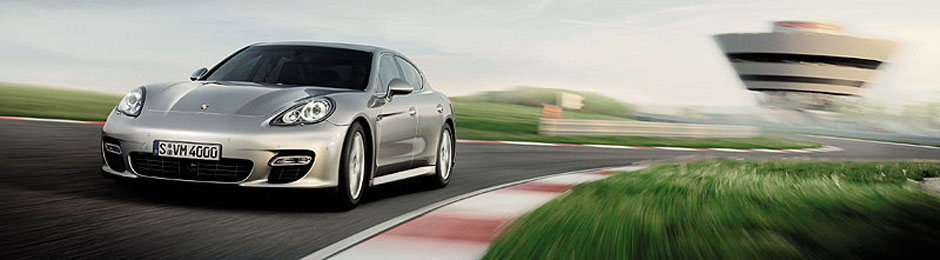
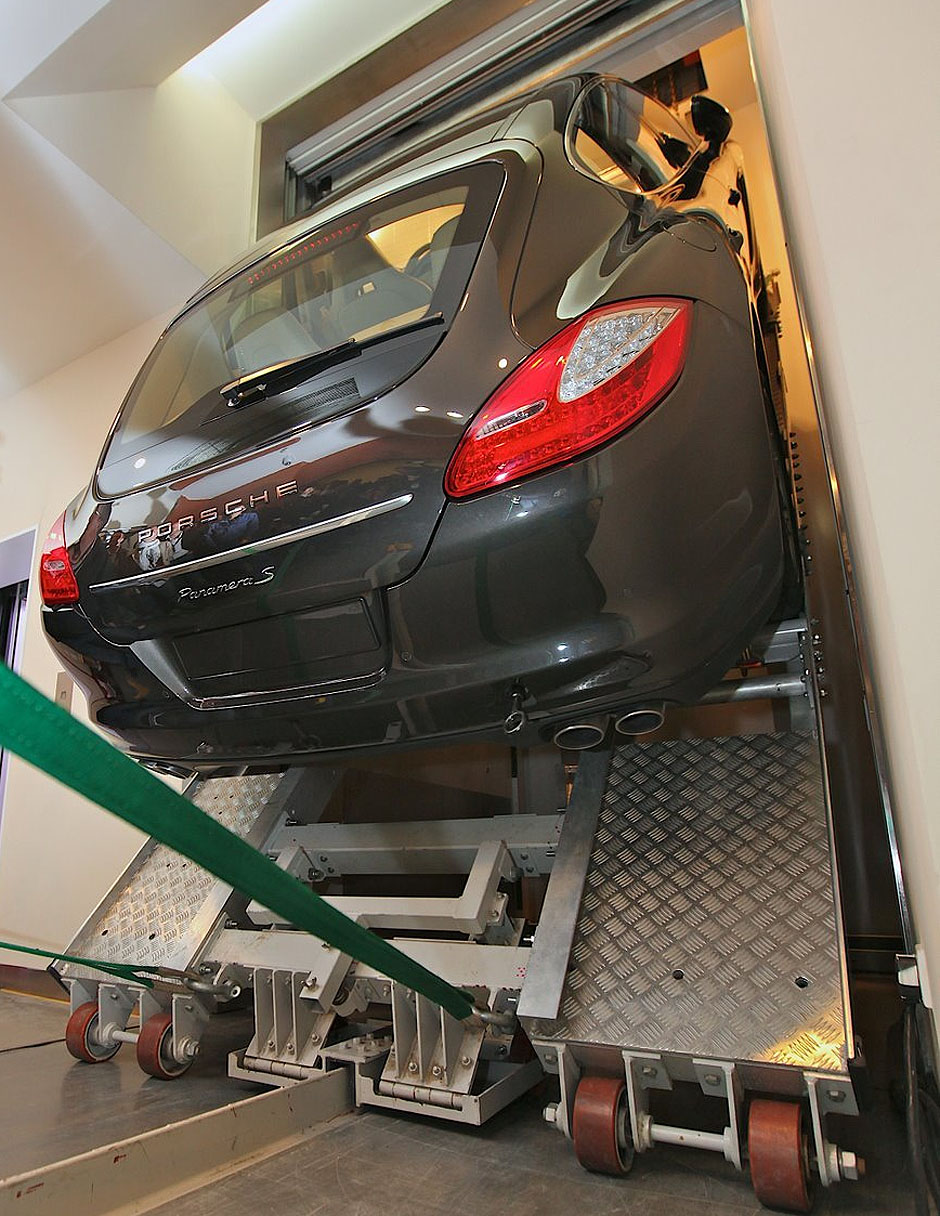
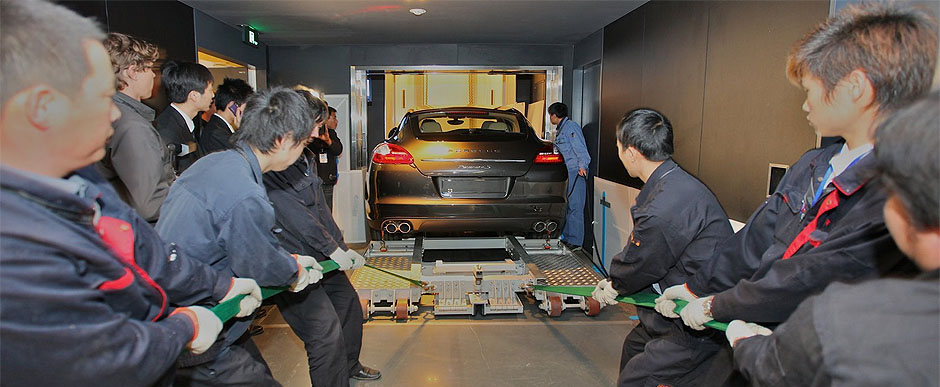
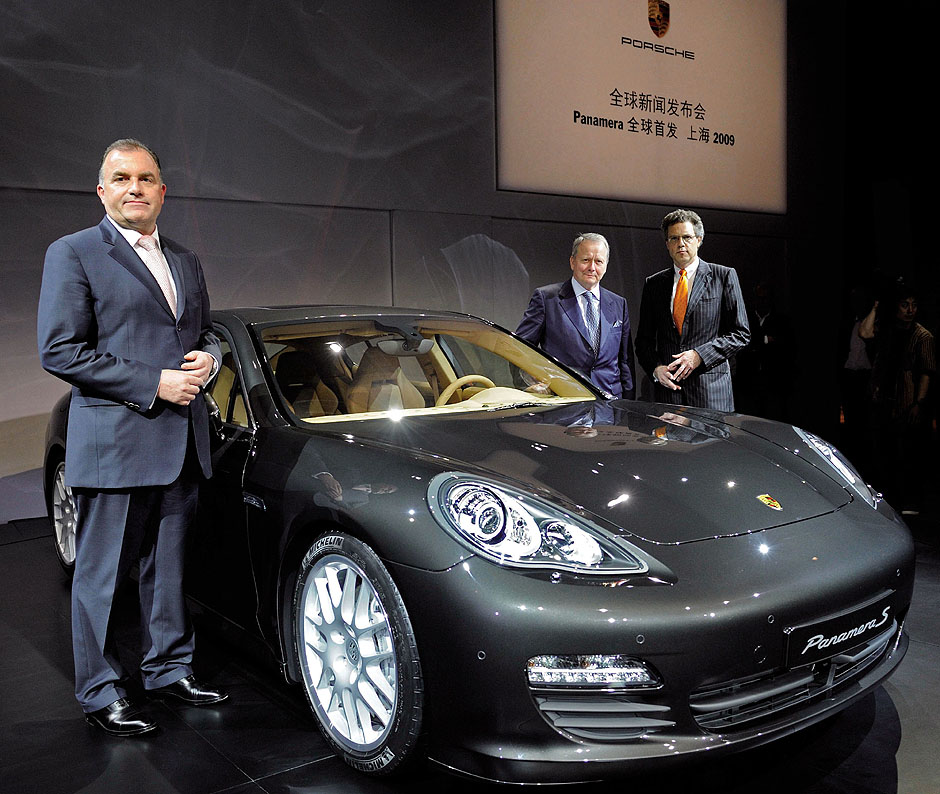
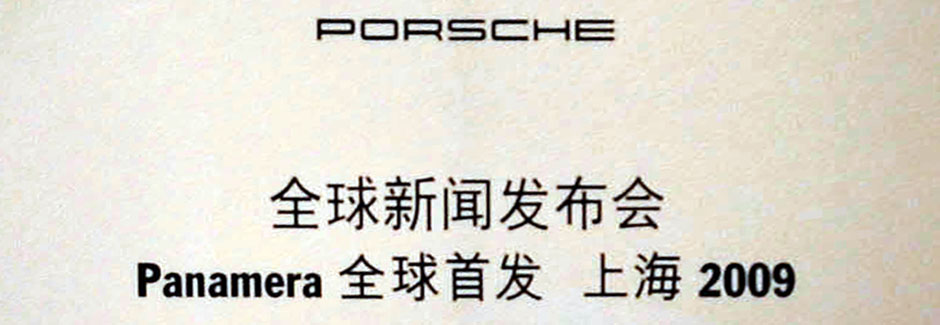
Panamera World premiere in Shanghai, April 2009
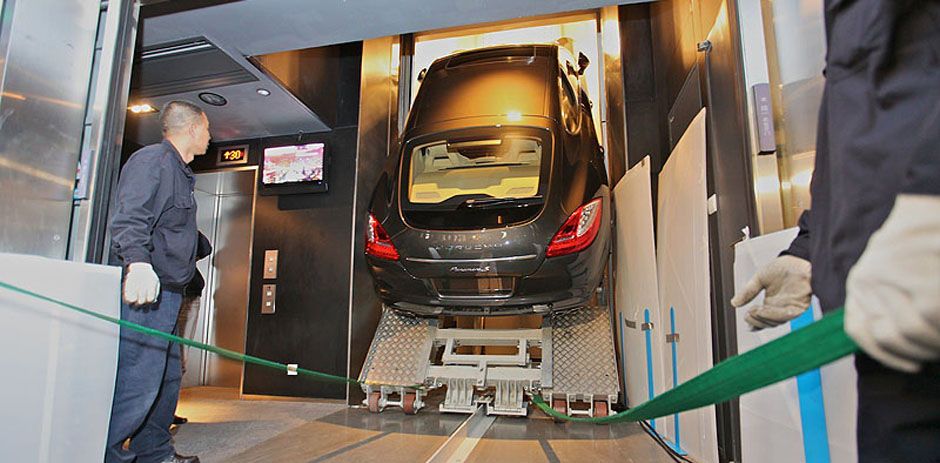
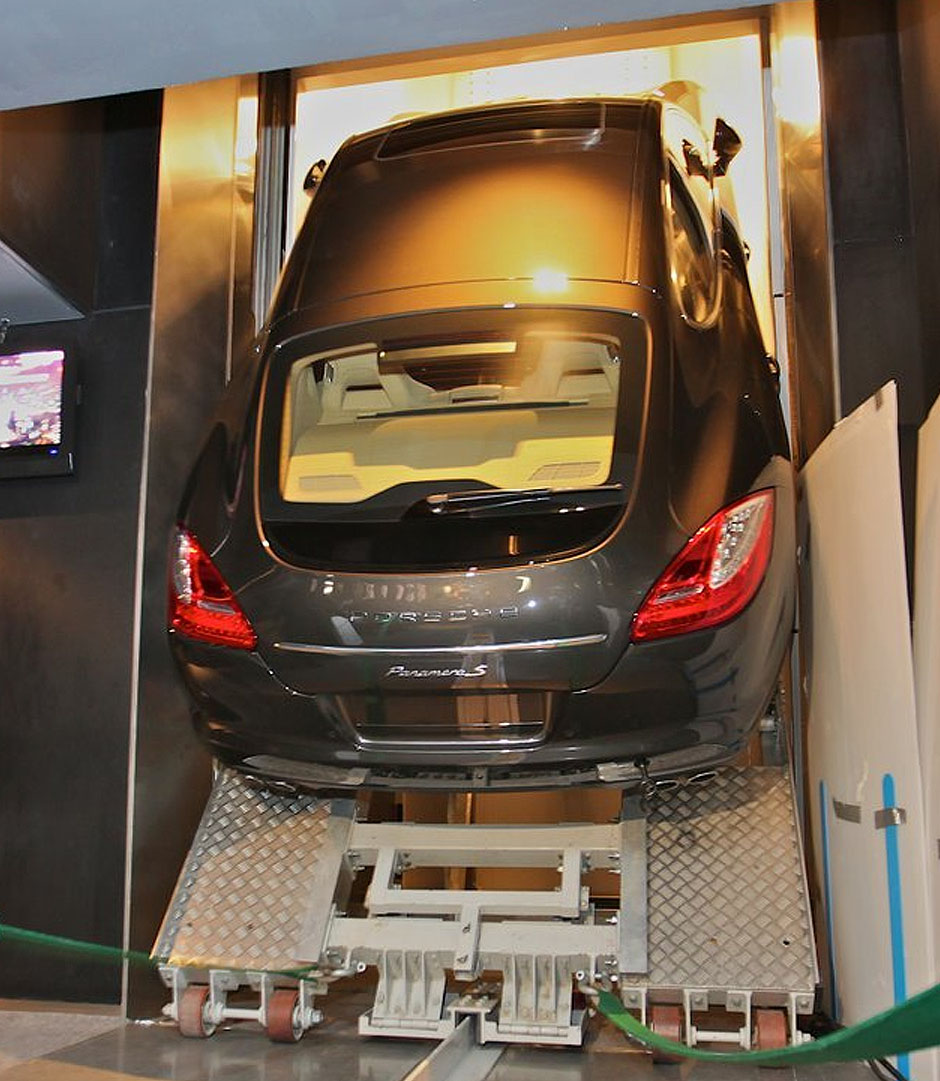
Air freight to premiere in USA
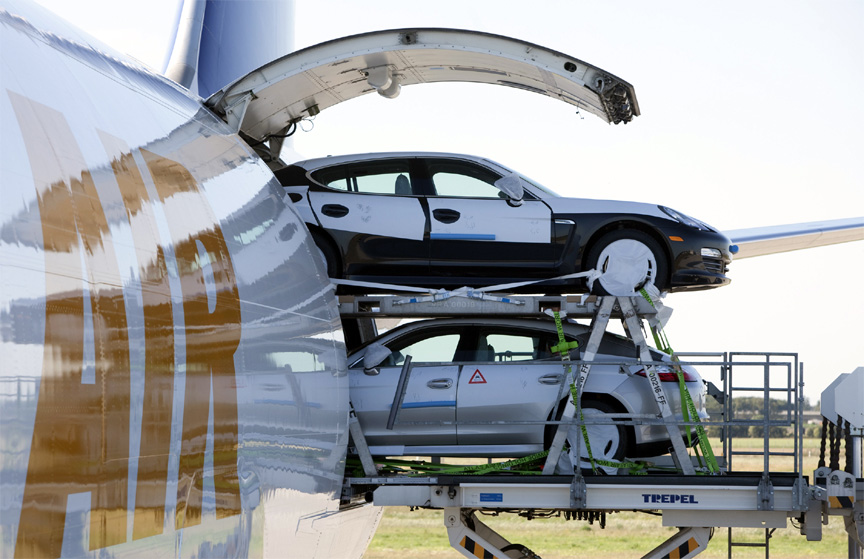
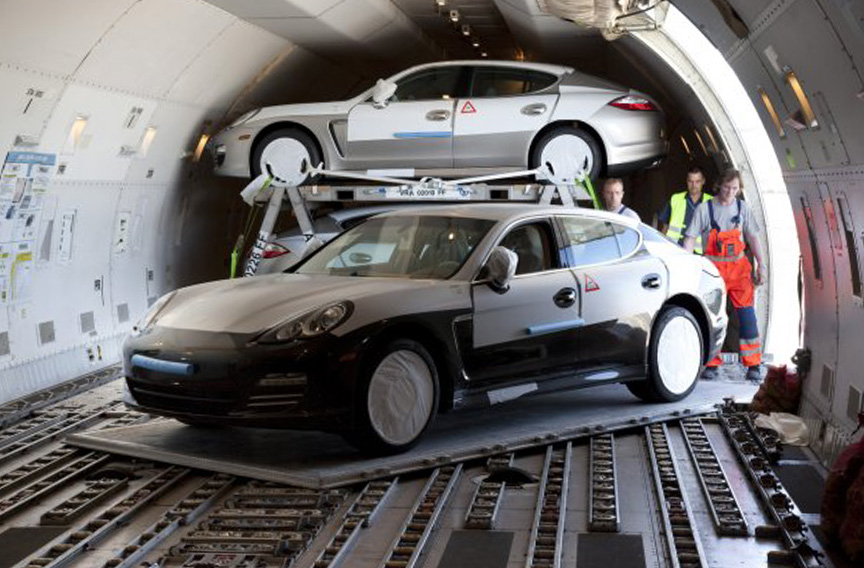
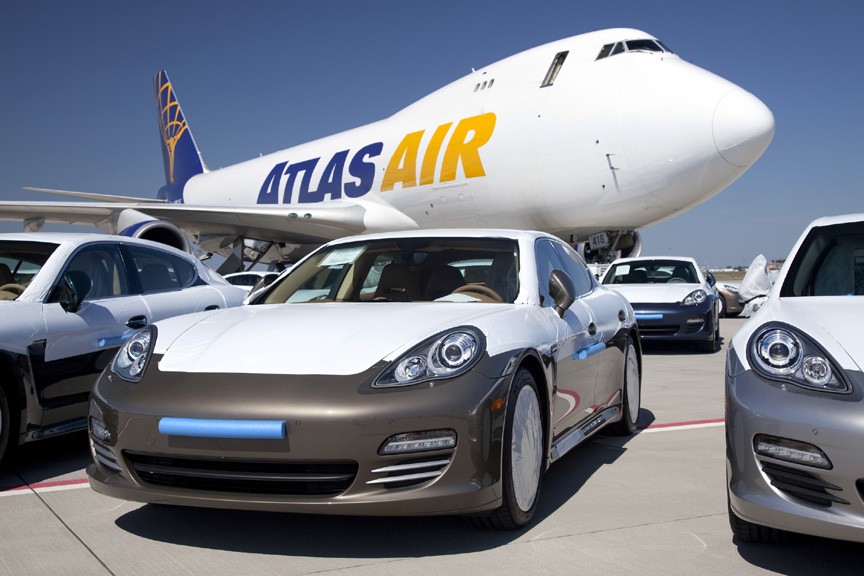
31 demo cars were sent from Leipzig to USA with an Atlas Air Boeing. The US premiere took place at Pebble Beach Concours d’Elegance on August 9, 2009.